


When 32 Inch Bicycle Wheels Pay Off for Riders 6 Feet and Taller
Posted by Matt Russ on 17th Sep 2026
When 32 Inch Bicycle Wheels Pay Off for Riders 6 Feet and Taller
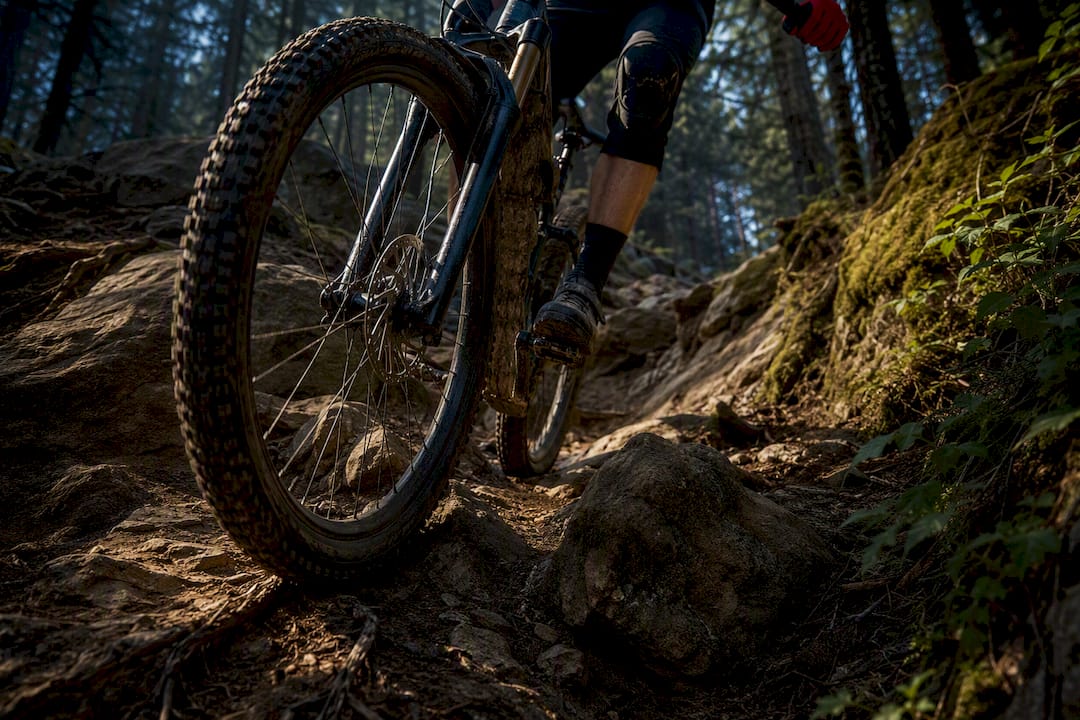
32-inch wheels increase roll-over, contact patch, and stability compared to a 29er, but they add weight, can slow acceleration, and demand careful frame fit. The wheels use an ISO/ETRTO bead seat diameter of 686 millimeters; compatibility checks matter more than the marketing number. They mostly make sense for taller XC and trail riders chasing smoother rides over rough ground. Shorter riders and anyone racing on smooth terrain probably won’t gain enough to justify the switch yet.
TL;DR:
- Larger 32-inch wheels improve obstacle roll-over and traction, especially for taller riders on rough terrain, but increase weight and can slow acceleration.
- Compatibility depends on confirming the rim’s bead seat diameter is 686mm, not just the marketing size, and ensuring frame clearance, especially in smaller bikes.
- The current market for 32-inch rims and tires is limited, with most tires fitting 2.2 to 2.6 inches, and availability favoring MTB and gravel use over road.
- Proper setup requires verifying hub spacing, axle standards, rotor mount compatibility, and running tubeless sealant for optimal performance.
- Buying now makes sense for tall riders with suitable frame clearance, but average riders on smooth terrain should wait for broader tire options and frame compatibility improvements.
Table of Contents
- Do 32-Inch Bicycle Wheels Improve Trail Performance?
- What Standards Govern 32-Inch Wheel Compatibility?
- Can Your Frame Actually Fit 32-Inch Wheels?
- What 32-Inch Rims and Tires Can You Actually Buy?
- How Do You Choose and Set Up a 32-Inch Wheelset?
- How Sportfactoryproshop Helps You Fit 32-Inch Parts
- Should You Buy 32-Inch Wheels Now or Wait?
- Ready to Build Your Wheel Setup?
- Sources
- FAQ
Do 32-Inch Bicycle Wheels Improve Trail Performance?
Yes, in specific conditions. A bigger wheel diameter changes the angle at which the tire meets an obstacle, called the angle of attack. Because a 32-inch wheel’s radius is larger than a 29er’s, it strikes rocks, roots, and ruts at a shallower angle, so the tire tends to roll up and over rather than stall against the edge. That’s the entire physics argument behind bigger wheels, and it holds up on rough, technical trail.
Contact patch tells a similar story. A larger tire carcass, paired with the wider rims now common on 32in builds, spreads rider weight over more rubber. On loose dirt, that translates to more predictable cornering grip and fewer surprise slides through switchbacks. BikeRadar’s coverage of the emerging category frames this as the main selling point: better roll-over, a bigger footprint, and more stability at speed, especially for taller riders who were already straining the limits of 29er geometry.
The tradeoffs are real, though. More rim and tire material means more rotational mass, and rotational mass resists changes in speed harder than static weight does. That shows up as slower acceleration out of corners and a heavier feel on punchy climbs. It’s not automatically faster, either. Testing summarized by Rene Herse found that wheel diameter alone doesn’t guarantee more speed on pavement. Tire construction and terrain matter just as much as the number stamped on the sidewall.
Where the math tends to favor 32in wheels:
- Long, rough XC courses with sustained rock gardens or root sections
- High-speed descents where stability and roll-over reduce rider fatigue
- Taller riders whose reach and stand-over already point toward a bigger wheel
- Trail riding where comfort and control outweigh pure sprint speed
Where it doesn’t help much: flat, smooth singletrack, criterium-style courses, or any situation where snappy acceleration decides the outcome.
What Standards Govern 32-Inch Wheel Compatibility?
Every 32-inch rim on the market is built to an ISO/ETRTO bead seat diameter of 686 millimeters, and that number is the one that actually matters. Sheldon Brown’s rim sizing tables make this clear: “32 inch” is a rounded marketing label, not a precision spec, so a tire or rim that lists 686mm BSD will fit regardless of what inch number appears on the packaging.
Rims built to that diameter typically pair with tires in the 2.2 to 2.6 inch range for mountain and trail use, mirroring the tire widths riders already run on 29ers. Internal rim widths on current 32in products cluster around 30 to 32 millimeters, wide enough to properly support a modern trail tire without excessive sidewall flex.
Before ordering anything, run through this checklist:
- Confirm the rim’s BSD reads 686mm on the spec sheet, not just “32 inch” in the product name.
- Check internal rim width against your target tire width. Narrow tires on wide rims (or vice versa) hurt tire shape and rolling feel.
- Verify the tire’s bead seat is rated for the rim’s BSD and hook profile, especially for tubeless setups.
- Confirm tubeless compatibility on both the rim and tire if you plan to run sealant instead of tubes.
- Match axle spacing (front and rear) and hub standard to your frame and fork.
- Check rotor mount type and size against your existing brake calipers, since a wheel swap can change rotor position slightly.
Getting the tubeless side right matters more than most riders expect. A shop-tested sealant volume guide and a pressure calculator built around real ride tests both help you dial in setup once the wheel itself checks out on paper.
Can Your Frame Actually Fit 32-Inch Wheels?
This is where most 32in ambitions stall. A 686mm wheel plus tire has a noticeably larger overall diameter than a 29er equivalent, and that extra size has to go somewhere on the frame. Chainstay length, bottom bracket height, and head tube angle all interact with wheel diameter, and a frame designed around 29in geometry usually wasn’t given the clearance or geometry math to handle the jump.
Industry guidance treats 32in wheels as best suited to bespoke or purpose-built frames rather than universal drop-in replacements. Lengthening chainstays, dropping the bottom bracket, or adjusting head tube angle are the usual fixes, but each one changes handling in its own way, and that’s a big part of why mainstream frame makers have been slow to adopt the size at scale.
A few practical fit signals worth knowing:
- Taller riders (roughly 6 feet and up) are the ones most likely to already have enough frame room to consider a 32in build.
- Stand-over height and seat tube interference become the first failure points on smaller frames.
- Chainstay and seatstay clearance need real measurement, not a visual guess, before you commit to parts.
- A test-fit with a mechanic is the only reliable way to confirm brake reach, rotor alignment, and chainline won’t need extra parts.
Pro Tip: Before buying anything, pull your frame’s official chainstay and bottom bracket specs and compare them against the wheel-plus-tire diameter you’re planning to run. A gravel tire clearance checklist built for fit-testing works just as well for sanity-checking a bigger wheel swap.
If your current frame doesn’t have the room, two realistic paths exist: a mullet setup running 32in front and 29in rear, or sticking with a 29er and running the widest tire your frame clears. Both sidestep the geometry problem entirely.
What 32-Inch Rims and Tires Can You Actually Buy?
The parts market is real but still thin compared to 29er and 27.5in options. Both alloy and carbon rims are showing up from smaller manufacturers, with internal widths in the 30 to 32 millimeter range built specifically to support wider trail tires without adding unnecessary weight. Product listings for carbon 32in rims show tubeless-ready bead profiles designed to keep this new size compatible with the sealant setups most trail riders already run.
Tire availability tells the more important story, since a rim without a matching tire is a paperweight. Mountain tire releases in the 2.4in width class have started appearing for the 686mm bead seat, giving riders a realistic trail tread to pair with new rims. That said, historical wheel-size references note 32-inch has long been an uncommon size, mostly used in specialty builds and unicycles, which explains why the current tire catalog is still growing rather than mature.
A few things worth knowing before you shop:
- Tires, not rims, are currently the tighter bottleneck. Rim options are expanding faster than tread choices.
- Stock and lead times vary by manufacturer, and smaller-batch carbon rims often run longer wait times than alloy.
- Road and competition use is limited by rules around wheel diameter relative to tire height, so this size is staying firmly in the MTB and gravel space for now.
- Expect the tire selection to widen over the next couple of seasons as more brands commit to the bead seat.
How Do You Choose and Set Up a 32-Inch Wheelset?
Buying into this wheel size rewards a methodical approach more than an impulse purchase, mostly because the margin for a compatibility mistake is thin.
- Define your actual use case first: XC racing, aggressive trail riding, or mixed gravel. This decision drives rim material, width, and weight priorities.
- Pick rim material and internal width based on that use case. Alloy tends to be tougher and cheaper; carbon shaves weight but usually costs more and takes longer to source.
- Confirm the rim’s ETRTO number reads 686mm BSD on the spec sheet before you place an order.
- Choose your tire width and confirm tubeless compatibility on both rim and tire.
- Verify hub standard, axle spacing, and rotor mount fit your existing fork and frame.
- Test-fit the wheel on your actual frame before final tire mounting and sealant.
When you’re talking to a wheelbuilder or shop, a few questions separate a good build from a frustrating one: What spoke count and lacing pattern do they recommend for your weight and riding style? What’s the warranty on the rim and the build labor? What tire widths has this rim actually been tested with? Answers that come back vague, especially around spoke tension specs or BSD confirmation, are a signal to keep shopping.
Watch for red flags before you hand over payment: a rim listing that doesn’t specify BSD in millimeters, a hub spacing spec that’s “approximate,” or a wheel builder who can’t tell you the bracing angle they used. Any of those suggest the build wasn’t engineered carefully.
Pro Tip: Once the wheel is mounted, run sealant in the 35 to 120 milliliter range per tire depending on tire volume, and set tubeless pressure by starting near the middle of the tire’s rated range, then adjusting down for grip or up for pinch protection based on how the trail feels underneath you.
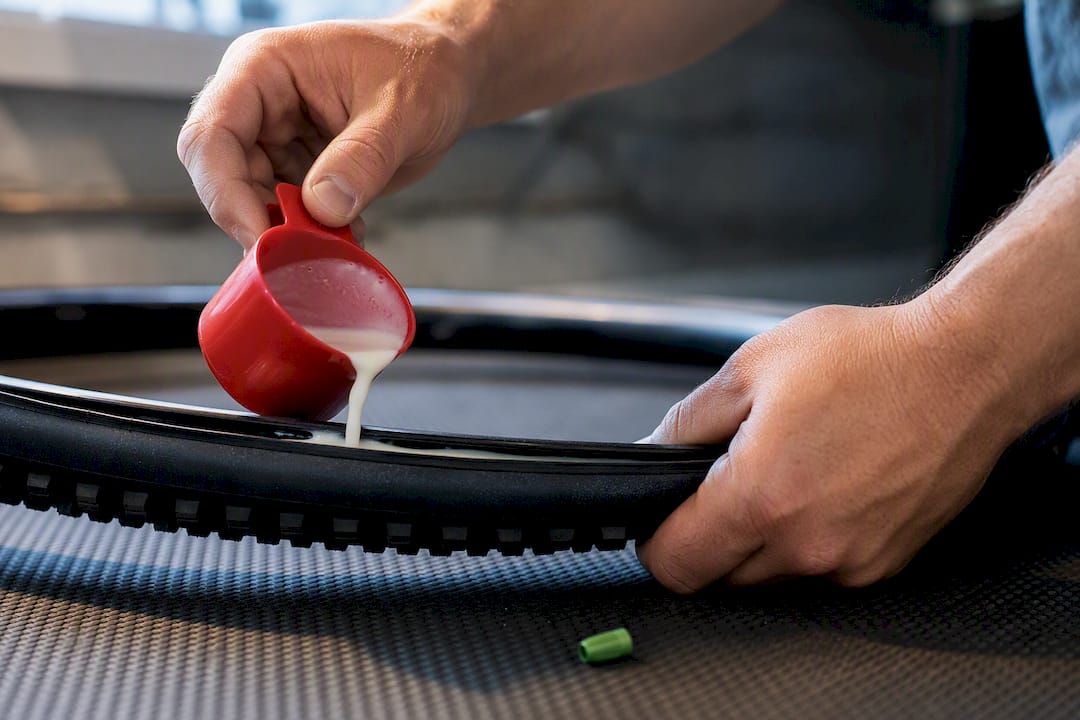
For drivetrain-side fit questions, particularly around freehub spacing, an XDR fit check guide covers the kind of hub tolerance issues that can quietly derail an otherwise correct wheel order.
How Sportfactoryproshop Helps You Fit 32-Inch Parts
Getting a 32in build right depends on matching rim, tire, and frame specs correctly the first time, since mismatched parts waste both money and shipping time. A curated selection of components from brands known for engineering quality and rider-focused design is offered, with performance insights and user reviews included to assist selection.
That curation matters most at the compatibility stage, where a wrong tire width or an unconfirmed BSD number turns into a returned order. The shop’s practical resources, including gravel-specific tire clearance guidance and tubeless pressure references, reflect the same fit-first thinking that matters for anyone considering a 32in wheel swap.
A few ways this translates for a rider working through a wheel decision:
- Product pages built around rider-relevant specs, not just marketing copy
- Reviews and performance notes that help you compare tire and component options
- A place to source tubeless setup accessories once your wheel and tire choices are locked in
If you’re unsure about a specific fit question, reaching out to the shop directly before ordering saves more time than guessing.
Should You Buy 32-Inch Wheels Now or Wait?
If you’re a tall XC or trail rider with a frame that already has room for a bigger wheel, buying now makes sense. The roll-over and stability gains are real for rough, technical terrain, and the current parts selection, while limited, covers your basic needs.
If you’re average height or riding mostly smooth terrain, waiting is the smarter move. Tire selection is still thin, frame options are limited, and a mullet setup or wider 29er tire gets you most of the benefit without the fit risk. Rider reports from early adopters skew mixed, which is exactly why a demo ride before buying still beats reading spec sheets alone.
— Matt
Ready to Build Your Wheel Setup?
This store provides a streamlined path to a correctly matched build, emphasizing components selected for engineering quality rather than merely filling a catalog slot.
If you’re chasing wider trail tires to pair with a bigger wheel, the tires category covers the tread and width range most 32in and mullet setups need. Component questions, including handlebar and pedal choices that round out a build, live on the components page. And once your wheel and tire choices are locked, the general bike category covers the sealant, pumps, and tools that turn a new wheelset into a ready-to-ride bike.
Have a specific fit question, like whether your frame’s chainstay clearance works with a particular tire width? Reach out through Sportfactoryproshop before you order, not after.
Sources
The ETRTO/ISO rim sizing tables anchor every compatibility claim in this guide, since 686mm BSD is the number that actually determines fit. BikeRadar’s reporting on the emerging 32in category informed the performance and frame-geometry sections, reflecting where the industry currently stands on adoption. Testing from Rene Herse grounded the claim that wheel diameter alone doesn’t guarantee speed gains.
- Rim sizing — Sheldon Brown
- What’s the point of 32in wheels? Here’s everything you need to know — BikeRadar
- The Science: Why 32-inch wheels may NOT be faster — Rene Herse
FAQ
What Are the Benefits of 32-Inch Bicycle Wheels?
They improve roll-over on obstacles, increase contact patch for better traction, and add stability at speed, particularly for taller XC and trail riders on rough terrain.
Do They Make 32-Inch Rims?
Yes. Both alloy and carbon 32in rims exist, typically with internal widths around 30 to 32 millimeters, though selection remains smaller than for 29er or 27.5in wheels.
What Bikes Have 32-Inch Wheels?
Currently, 32in wheels appear mostly on bespoke or purpose-built XC and trail mountain bikes designed with the extra chainstay length and geometry adjustments the larger diameter requires, rather than on off-the-shelf mainstream frames.
What Kind of Bicycle Tires Are Available in 32-Inch Sizes?
Mountain tires in roughly the 2.2 to 2.6 inch width range fit the 686mm bead seat diameter, with 2.4in treads among the more common recent releases; Sportfactoryproshop’s tires category is a place to check current stock as the selection grows.
How Do I Check 32-Inch Wheel Compatibility Before Buying?
Confirm the rim lists a 686mm ISO/ETRTO bead seat diameter, match tire width to internal rim width, and verify hub spacing and rotor mount fit your frame before ordering any parts.