

Stop Guessing: Test Stem Length in 10mm Steps with Sizing Stems

Stop Guessing: Test Stem Length in 10mm Steps with Sizing Stems
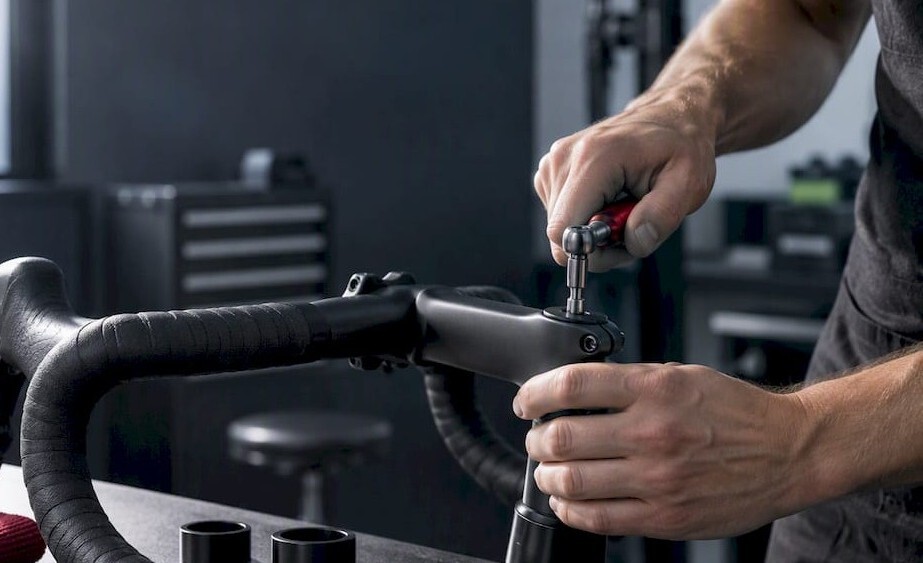
Stem length is the center-to-center distance between the middle of the steerer tube clamp and the middle of the handlebar clamp, typically measured in millimeters. As a rule of thumb, road stems usually run 90 to 120mm, gravel stems sit closer to 70 to 100mm, and mountain bike stems drop to 35 to 80mm. There’s no universal correct number, though. Your frame geometry, riding style, and body proportions all pull the ideal length in different directions.
TL;DR:
- Most mountain bike stems measure between 35 and 80mm, with shorter lengths dominating in modern trail and enduro bikes due to longer frame reaches.
- An 80mm stem is typical for mountain bikes but could be too short for most road bikes unless a rider prefers quicker handling.
- Changing stem length by 10mm has a noticeable effect on steering feel and body position, affecting stability and comfort, especially during long rides.
- When selecting a stem, verify handlebar and steerer tube diameters, and measure center-to-center length to avoid fit issues or incompatible parts.
- Testing incremental stem length adjustments and consulting a professional fitter avoids costly mistakes and ensures optimal comfort and handling.
Table of Contents
- What Are the Standard Stem Lengths by Bike Type?
- How Does Stem Length Change Handling and Comfort?
- How Do You Measure Stem Length and Check Compatibility?
- How Do You Choose and Test the Right Stem Length?
- Can Stem Angle and Spacers Fine-Tune Your Fit Without a New Stem?
- What Should You Check When Installing a New Stem?
- Why Do Fitters Rely on Sizing Stems Instead of Guessing?
- A Cautious, Incremental Approach to Changing Stem Length
- Where to Find the Right Stem and Fit Accessories
- Sources
- FAQ
What Are the Standard Stem Lengths by Bike Type?
Bike manufacturers spec stems based on how a frame’s reach, head angle, and intended use interact with rider position. That’s why a cross country race bike and a downhill rig can share a wheel size but need wildly different stems.
Here’s how the ranges typically break down:
- Road bikes: 90 to 120mm, with 100 to 110mm being the sweet spot on most medium-size frames, according to Cyclist’s stem length breakdown.
- Gravel bikes: 70 to 100mm on most builds, though some riders run shorter for a more relaxed, trail-friendly front end.
- Mountain bikes (XC, trail, enduro): 35 to 80mm, with shorter lengths dominating modern trail and enduro geometry as frame reach has grown longer.
- Triathlon and time trial bikes: Often shorter and paired with clip-on aero extensions rather than a traditional drop bar reach, since the aero position changes how reach gets calculated.
These numbers only tell half the story. A stem doesn’t work in isolation. It has to balance against your frame’s reach and your handlebar width, since a wide bar naturally slows steering and can let you run a shorter stem without feeling nervous at speed. Before you buy anything, confirm two numbers on your current setup: the handlebar clamp diameter (31.8mm is the modern standard, though older bikes may use 25.4mm, and some aero road bars now run 35mm) and your steerer tube diameter, which is almost always 1 1/8 inch on modern bikes. Mixing these up is the fastest way to end up with a stem that physically won’t fit.
How Does Stem Length Change Handling and Comfort?
Think of your stem as a lever arm connected to the front wheel. A longer stem extends that lever, which slows down how quickly your steering input translates into a direction change. That’s why longer stems feel planted and stable at speed, while shorter stems feel quicker and more reactive to small hand movements, a trade-off that Cyclist frames as a direct function of steering lever length.
That same length change also reshapes your body position. A longer stem stretches your torso angle flatter, which can load your shoulders and neck differently on long rides. A shorter stem brings your torso more upright, easing neck strain but sometimes shifting weight off the front wheel enough to reduce grip on fast descents.
Stem length changes also shift your center of gravity over the bike, and that can affect how efficiently you recruit muscle through the pedal stroke, according to Cyclist’s analysis of stem fit. A stem swap sometimes calls for a saddle adjustment afterward just to restore the balance you had before.
Here’s what matters for real-world testing:
- A 5mm change is subtle and mostly felt over long rides as fatigue.
- A 10mm change is noticeable within a single ride, especially in steering feel and shoulder load.
- Stacking a stem length change with a new handlebar width or saddle position at the same time makes it hard to isolate which change caused what.
Pro Tip: Change one variable at a time. If you swap your stem and your bars in the same ride, you’ll have no idea which one fixed (or wrecked) your comfort.
How Do You Measure Stem Length and Check Compatibility?
Getting an accurate measurement takes five minutes and a tape measure, but plenty of riders skip a step and end up ordering the wrong part.
- Locate the center-to-center points. Measure from the middle of the steerer tube clamp (the round part that grips your fork) to the middle of the handlebar clamp (the part that grips your bar). This center-to-center method is the industry standard, as confirmed by BikeRadar’s stem guide.
- Check for printed markings. Most stems stamp their length directly on the body, usually near the faceplate or underside, per BikeRadar.
- Confirm your handlebar clamp diameter. Look for a stamp reading 31.8, 35, or 25.4 on the bar itself, near the center.
- Confirm your steerer diameter and stack height. Park Tool’s threadless stem guide walks through calculating usable steerer length and spacer stacking before you cut anything.
- Check cable and housing length before finalizing your order. A longer stem can pull housing tight at full steering lock, and a shorter stem can leave excess slack that rattles or snags.
Skipping step 5 is the most common mistake. Riders buy the right stem, install it correctly, then discover their brake housing is too short to turn the bars fully, especially with a big length or angle change. If you’re already checking compatibility on one component, it’s worth applying the same habit before ordering any drivetrain part that depends on precise fit.
How Do You Choose and Test the Right Stem Length?
Guessing your way to the right stem wastes money on parts you’ll sell at a loss. A structured process gets you there faster.
- Define your goal first. Are you chasing more stability on descents, less neck strain on long rides, or quicker handling for tight singletrack? Write down your current complaint before touching anything.
- Run the bent-elbow test. Get into your normal riding position with hands on the bar. Your elbow should have a slight, comfortable bend, roughly 15 to 20 degrees. A fully locked-out arm usually signals a stem that’s too long; an overly cramped, folded position usually signals one that’s too short.
- Estimate direction and magnitude. Use your body proportions and current complaint to guess whether you need to go shorter or longer, and by how much. A stem length calculator based on torso and arm length gives a useful starting estimate, though it should never replace an actual ride test.
- Test with a sizing stem or incremental swaps. Change length in 10mm steps and ride the same routes you normally ride, covering climbs, descents, and flat cruising, so you feel the difference across conditions.
- Log how each length feels. Note neck and shoulder tension, front-wheel confidence on descents, and steering response in tight corners. Fit specialists recommend pairing these notes with objective checks like hip and shoulder angle to confirm the comfort gain is real and not just a placebo from a new part.
Pro Tip: If you’ve swapped stems twice and still can’t settle on a length, that’s usually a sign the real issue is somewhere else, often reach or saddle position, not the stem itself.
When the problem seems bigger than a stem swap can fix, like persistent numbness or a frame that’s simply the wrong size, a professional fitter can diagnose it faster than another round of parts-swapping.
Can Stem Angle and Spacers Fine-Tune Your Fit Without a New Stem?
Stem length isn’t the only lever you can pull. Angle and spacers change your bar height without touching the reach at all.
- Stems commonly come in angles from about +/-6 degrees to +/-17 degrees, and flipping a stem upside down can raise or lower your bar by a meaningful amount, according to Cyclist.
- Adding spacers below the stem raises the bar and reduces reach slightly; removing them lowers it and effectively lengthens reach.
- Carbon steerers carry strict spacer limits from the manufacturer, and Park Tool warns against exceeding those limits or cutting a steerer too short to leave adequate clamping surface.
- If your issue is purely about height and not steering feel, flipping the stem or adjusting spacers solves it without the cost of a new part.
Reach for an angle or spacer change first when the fix is about comfort height. Reach for a length change when the fix is about steering feel or how your torso stretches over the bike.
What Should You Check When Installing a New Stem?
A stem swap looks simple, but a rushed install is one of the more common ways riders end up with loose bolts or a cockpit that flexes under load.
- Align the stem with the front wheel before tightening anything, sighting down the steerer to make sure the faceplate sits square.
- Set headset preload first, then tighten the steerer clamp bolts, then the faceplate bolts, following the torque range printed on the stem, generally 4 to 6 Nm for carbon bars and stems unless marked otherwise.
- Check brake and shift function immediately after install. Turn the bars fully in each direction to confirm no housing is stretched or pinched, a step Park Tool calls out specifically for threadless setups.
- If the swap requires cutting the steerer or rerouting internal cables, hand that part to a shop. Cutting too short is permanent and unforgiving.
Why Do Fitters Rely on Sizing Stems Instead of Guessing?
Professional fitters lean on adjustable sizing stems because guessing without one is frequently wrong, according to Serotta Cycling Institute’s fitting resources. A sizing stem lets a fitter test multiple lengths and angles in minutes rather than swapping fixed stems one at a time, which saves both money and the guesswork that leads riders to buy three stems before finding the right one.

That same logic applies to shorter component changes across your bike. If you’ve read about how shorter cranks can reduce knee strain without costing power, you already understand the pattern: small, measured changes tested deliberately beat big guesses made once.
A Cautious, Incremental Approach to Changing Stem Length
Stems are cheap and fully reversible, so there’s little reason to rush a big jump. My advice: change in small increments, test across climbs, descents, and long flat rides, and only commit once a length feels right across all three. If discomfort persists after two or three swaps, book a shop fit instead of buying a fourth stem. The part costs less than the wasted rides.
— Matt
Where to Find the Right Stem and Fit Accessories
You can find a guided path to the right cockpit setup online by choosing components selected for engineering quality and rider-focused fit, not just price.

Before you order a new stem, confirm your handlebar clamp diameter and steerer size against what you’re buying; a mismatch is the single most common return reason on cockpit parts. Browse handlebars, stems, and fit components to compare clamp sizes side by side, and check the maintenance and tools category for a torque wrench if you don’t already own one, since guessing at bolt tension on a carbon stem is a real risk. If you’re also dialing in your gravel setup, our gravel tire clearance checklist covers the frame-side compatibility questions that pair naturally with a stem swap. Have a compatibility question before you buy? Contact the seller directly to help start your cockpit upgrade with the right part the first time.
Sources
- Stem Removal & Installation: Threadless | Park Tool
- What length stem do I need? Bike stem length explained | Cyclist
- Bike stems explained: how to choose the best stem length
- Professional bike fitting products (sizing stems)
FAQ
What Does Stem Length Mean?
Stem length is the center-to-center distance between where the stem clamps the steerer tube and where it clamps the handlebar. It’s usually printed directly on the stem body, and it’s one of the biggest factors in how quick or stable your steering feels, per BikeRadar.
How Do You Measure the Length of a Stem?
Measure from the middle of the steerer clamp to the middle of the handlebar clamp using a tape measure or ruler, following the same center-to-center standard BikeRadar and Park Tool both use. Check the stem itself first, since most manufacturers stamp the measurement near the faceplate.
Is an 80mm Stem Too Short?
Not necessarily. An 80mm stem is common and often ideal on mountain bikes, where typical MTB stem lengths run 35 to 80mm. On a road bike, 80mm is unusually short and would only suit a rider with a very compact reach need or a specific handling preference.
What Is the Recommended Stem Length for a Gravel Bike?
Gravel stems typically run 70 to 100mm, sitting between road and mountain bike norms because gravel geometry blends stability for rough terrain with the reach of a drop bar setup, according to Cyclist. The right number within that range depends on your frame’s reach and how much stability you want on loose surfaces.