

Turn a Few Watts into Race Seconds with Tested Aero Road Tires

Turn a Few Watts into Race Seconds with Tested Aero Road Tires
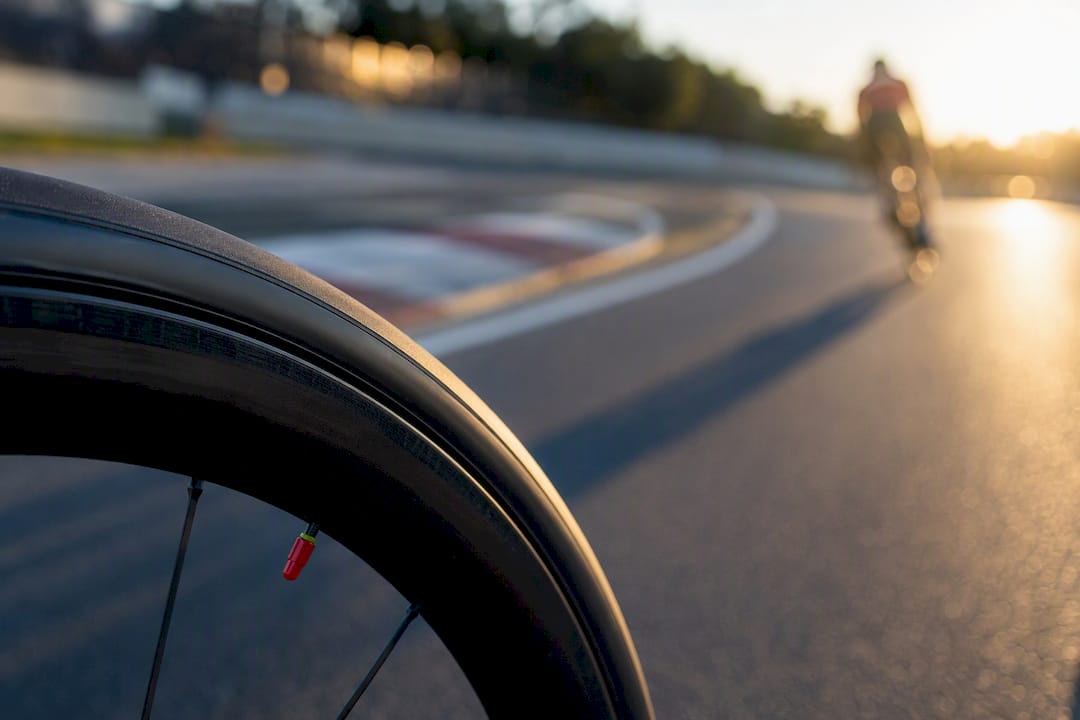
Yes, aero road tires deliver measurable speed gains for competitive riders, and the effect compounds when the tire is paired with a matching aero rim. Models like the Continental AERO 111 show that a well-designed aero tire cuts rolling resistance and integrates with modern rim shapes to reduce drag. The riders who benefit most are those racing at sustained high speeds, where small watt savings across rolling resistance, wet grip, and aerodynamics add up over an hour of racing.
TL;DR:
- Aero tires like the Continental AERO 111 are engineered for racing, offering lower rolling resistance and better aerodynamics when paired with compatible rims.
- Proper system fit, including matching tire width to rim internal width and optimal pressure, is crucial to achieving these aerodynamic and speed benefits.
- Test data indicates that aero tires provide the most advantage in high-speed, sustained efforts such as time trials and criteriums, where watt savings translate into real time gains.
- Durability and puncture protection remain trade-offs; racing-specific tires wear faster and need regular replacement, especially after key events.
- Premium aero tires are costly but can justify their price for serious competitors seeking marginal gains in speed and efficiency.
Table of Contents
- What Makes a Tire “Aero”: Compounds, Casing, and Shape
- How Test Data Translates to Real Race-Day Speed
- Tubeless, Width, and Pressure: Setting Up Your Aero Tires
- How to Choose the Right Aero Tire for Your Race
- What Sport Factory Pro Shop Recommends for Competitive Riders
- Aero Tires vs. Standard Road Tires: Which Fits Your Riding?
- Why Tire Width Changes Both Speed and Comfort
- How Long Do Aero Road Tires Actually Last?
- What Aero Tires Cost and Whether They’re Worth It
- What Do Pro Cyclists and Industry Experts Say About Aero Tires?
- When Marginal Gains Actually Matter
- Get Your Aero Tire Setup Right the First Time
- Sources
- FAQ
What Makes a Tire “Aero”: Compounds, Casing, and Shape
An aero road tire earns that label through three separate engineering decisions, not one clever marketing claim. The rubber compound, the casing construction, and the tire’s cross-sectional shape all have to work together, and manufacturers make different trade-offs on each.
Rubber compounds sit on a spectrum between grip and rolling efficiency. Continental’s Black Chili compound, used on the AERO 111, is tuned specifically for racing, balancing low rolling resistance against wet-weather traction rather than maximizing pure grip the way a downhill mountain bike compound would.
Casing quality shows up in the TPI (threads per inch) rating. A 120 TPI casing uses thicker threads and rolls a bit stiffer, while a 240 TPI casing, like the one CADEX uses on its aero tubeless tire, packs in finer threads for a suppler ride and lower rolling resistance. The trade-off: higher-TPI casings often need more careful mounting and a compatible rim width to perform as advertised.
Puncture protection adds a layer, usually Vectran, Kevlar, or a proprietary shield, beneath the tread. Continental’s Vectran breaker on the AERO 111 is a clear example of protection tuned to add minimal weight while still resisting punctures.
Aero shaping is the newest piece. Vortex-generator surface textures, taller oval profiles, and specific shoulder geometry are designed to keep airflow attached as the tire meets the rim, rather than letting it separate and create turbulence. Key elements to watch for:
- Compound type (race compound vs. all-condition compound)
- Casing TPI (120 to 240 range)
- Puncture breaker material and placement
- Surface texture and profile height for aero integration
How Test Data Translates to Real Race-Day Speed
Independent lab testing gives you the numbers marketing copy won’t. BicycleRollingResistance measured the Continental AERO 111 in a 29mm test sample, recording low rolling resistance and high wet-grip scores, resulting in a top rating in that test. Those numbers matter because rolling resistance differences of even a few watts, sustained over an hour-long race, translate into real seconds gained or lost.
Wet-grip and cornering scores come from static friction testing that simulates how a tire behaves under load in wet conditions. This matters more than most riders assume: a tire with a weak wet-grip score can cost you confidence in a fast corner during a crit, which costs you more time than the rolling resistance difference ever would.
Puncture-resistance scoring typically comes from controlled tests that measure how much force it takes to push an object through the tread and breaker layer. A tire with a strong puncture score won’t guarantee you a flat-free race, but it shifts the odds in your favor when you’re riding on chip-seal roads or debris-strewn crit courses.
Then there’s the aero claim itself. Continental, CADEX, and Specialized all cite wind-tunnel or CFD data to support their aero shaping decisions. Here’s the catch: those numbers are usually generated with a specific rim paired to the tire. A tire that tests fast on a 25mm internal-width rim in a wind tunnel may not deliver the same gain on a narrower or wider rim. Treat manufacturer aero claims as system-level data, not universal truths.
Key test metrics to compare across any tire you’re considering:
- Rolling resistance in watts (lower is faster)
- Static wet-grip score (higher indicates more cornering confidence)
- Puncture-resistance rating (higher means fewer race-day flats)
- Aero claims, specifically what rim width they were tested against
Tubeless, Width, and Pressure: Setting Up Your Aero Tires
Tubeless setups have become the default for competitive riders chasing lower rolling resistance, since you can run lower pressures without pinch-flat risk. The trade-off is sealant maintenance. You’ll need to check sealant levels every few weeks and top off before big races, since dried-out sealant stops working exactly when you need it most.
Rim internal width should guide your tire width choice, not the other way around. ENVE’s SES Road Tire pressure and compatibility charts show how a tire’s real-world shape changes across different internal rim widths, which is why pairing width and rim matters more than picking a tire in isolation.
A practical setup sequence:
- Check your rim’s internal width before choosing tire width.
- Match tire width to rim width using the manufacturer’s compatibility chart.
- Set pressure based on rider weight and race conditions, not a generic number.
- Check air retention overnight before race day.
Pressure ranges for competitive riders generally run lower than most people expect, often in the 60 to 80 psi range for road racing depending on rider weight and tire width, since running too high sacrifices both comfort and rolling efficiency on anything but glass-smooth pavement. For tubeless-specific guidance, shop-tested pressure ranges offer a useful reference point.
Pro Tip: Check your tire’s overnight air loss the week of a race, not the morning of. A tubeless setup that’s fine on Tuesday can lose several psi by Friday if the sealant has started to dry, and finding that out mid-warmup is a bad surprise.
How to Choose the Right Aero Tire for Your Race
Start with system fit. The single biggest factor in whether an aero tire delivers its advertised gains is whether it matches your rim’s internal width and profile. A tire designed around a 25mm internal rim won’t necessarily deliver the same aero benefit mounted on a narrower training wheel.
From there, weigh these criteria against each other:
- Road surface and weather: rougher roads or wet forecasts push you toward a tire with a stronger wet-grip score and slightly more supple casing.
- Rider weight and pressure range: heavier riders need to run higher pressure, which shifts the rolling resistance and comfort balance.
- Puncture risk tolerance: crit racing on debris-prone city streets calls for a stronger puncture breaker than a closed, swept time-trial course.
- Tubeless readiness: confirm the tire and rim combination is rated for tubeless if you’re chasing the lowest pressures.
- Weight versus lifetime: the lightest aero tire on the market isn’t always the one that survives a full season of training miles.
If you’re deciding between marginal aero gains and durability, lean toward durability for training and save the fastest-rolling, thinnest-tread option for race day. Racing a tire with a few hundred miles of tread wear left will always beat flatting mid-race because you chased the lightest option for every ride.
What Sport Factory Pro Shop Recommends for Competitive Riders
Sport Factory Pro Shop curates its tire lineup around engineering quality and rider-focused performance data, not just brand recognition. That means every tire in the tire category has been selected because it holds up against the rolling resistance, wet-grip, and puncture-protection benchmarks that actually matter to racers.
Before any tire goes on the shelf, the emphasis is on system-level fit, meaning it’s evaluated for how it pairs with common rim widths, not in isolation. That approach matters because a tire’s performance shifts depending on what rim it’s mounted to.
A few things worth knowing before you buy:
- Tire compatibility questions (rim width, tubeless readiness, sizing) can be answered directly by the shop before you order.
- Replacement timing depends on tread wear and casing condition, not just mileage. A tire that’s seen one wet, gritty crit season may need replacing sooner than a dry-climate training tire with the same mileage.
- Component pairings, like matching aerobars or wheels for a full system upgrade, are worth discussing alongside tire choice.
Aero Tires vs. Standard Road Tires: Which Fits Your Riding?
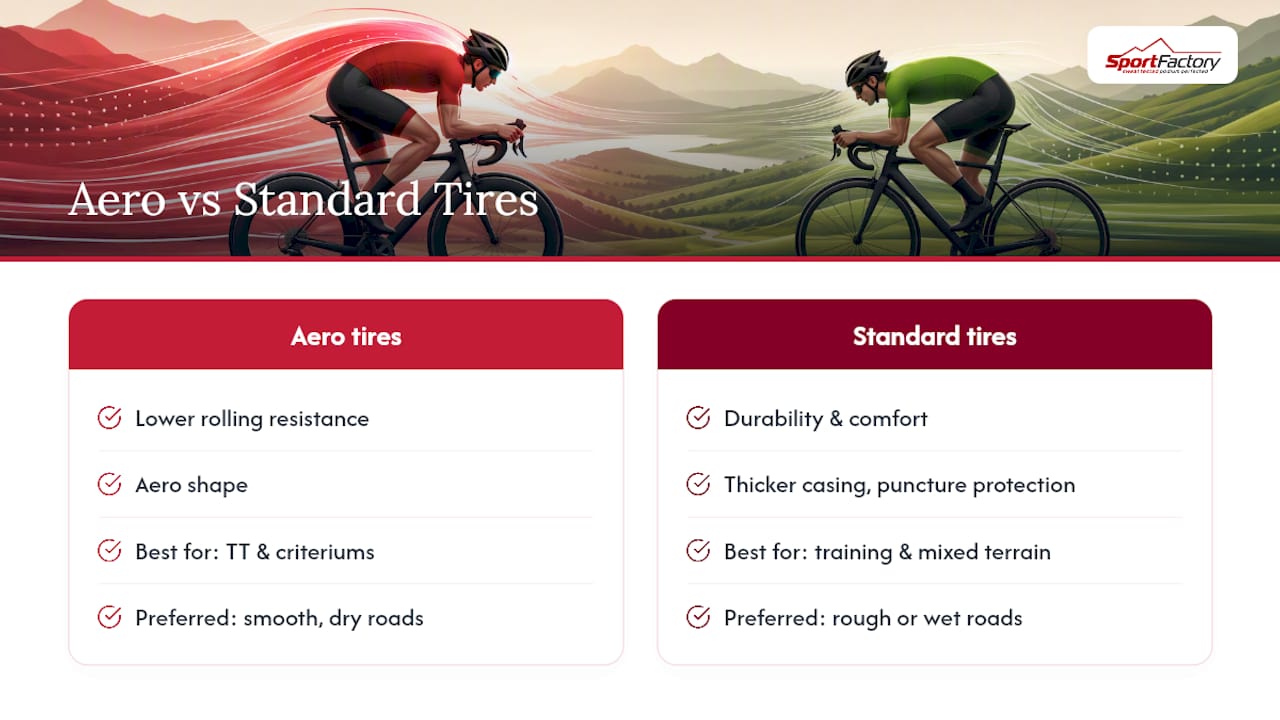
Standard road tires prioritize durability, comfort, and a lower price point over marginal aero gains. They typically use a simpler casing construction and skip the surface texturing that aero tires rely on, which makes them a sensible choice for training miles, commuting, or long endurance rides where comfort and puncture resistance matter more than shaving watts.
Aero road tires make sense specifically when speed over a defined distance is the goal. A time trial, a flat criterium, or a breakaway effort in a road race are all scenarios where the tire’s rolling resistance and aero shape translate directly into race outcomes. In these conditions, a standard tire concedes real time, especially at higher average speeds where aerodynamic drag becomes the dominant force working against you.
The trade-off runs the other direction in rough conditions. On chip-seal roads, gravel sectors, or wet descents with debris, a standard tire’s typically thicker casing and more conservative puncture protection can outperform an aero tire optimized for smooth, dry pavement. Some riders keep two tire sets for exactly this reason: an aero set for fast, controlled-condition races, and a standard set for training and unpredictable road conditions.
The honest answer is that neither tire type is universally better. It depends on whether you’re optimizing for a specific race effort or for durability across variable conditions. Racers who compete primarily in criteriums or time trials on closed, predictable courses get the most consistent value from aero-specific tires. Riders doing road races over mixed terrain or long training blocks often find a standard tire’s added durability outweighs the aero tire’s speed advantage.
Why Tire Width Changes Both Speed and Comfort
Tire width affects aerodynamics in a way that surprises a lot of riders: wider isn’t automatically slower. The key is whether the tire’s width matches the rim it’s mounted on. A tire that’s too narrow for its rim creates a lightbulb-shaped cross-section that disrupts airflow at the rim-to-tire junction, adding drag rather than reducing it.
Modern aero wheel systems are typically designed around 28mm to 32mm tires paired with wider internal rim widths, a shift from the 23mm and 25mm tires that dominated racing a decade ago. This wider standard exists because a properly matched wide tire and wide rim create a smoother, more teardrop-shaped airflow profile than a narrow tire ever could on the same rim.
Comfort improves with width for a straightforward reason: a wider tire can run lower pressure while still avoiding pinch flats, and lower pressure means more give over rough pavement. That’s not just a comfort perk. Lower rolling resistance on imperfect road surfaces often comes from the tire’s ability to absorb small bumps rather than bounce over them, which keeps your speed more consistent.
The practical takeaway is to check your rim’s internal width before assuming a wider or narrower tire will help you. A tire that’s aerodynamically optimized for one rim width can lose that advantage entirely on a different wheel, which is exactly why brands like ENVE publish detailed width and pressure charts alongside their tire specs.
How Long Do Aero Road Tires Actually Last?
Aero road tires generally wear faster than standard training tires because the compounds and casings prioritize speed over tread longevity. A race-focused compound like Black Chili is tuned for grip and low rolling resistance, not for maximizing the number of miles before the tread wears through.
Real-world lifespan depends heavily on how and where you ride. A rider racing exclusively on smooth closed circuits might get a full season out of a single set, while a rider training daily on rough, debris-covered roads could wear through the same tire in a fraction of that time. Rear tires also wear noticeably faster than front tires due to weight distribution and braking forces, so many competitive riders rotate tires or replace the rear more frequently.
Sidewall condition matters as much as tread depth. A tire with plenty of tread left but a cracked or worn sidewall is a puncture risk waiting to happen, especially with tubeless setups where sidewall integrity affects air retention. For a deeper look at how casing choices affect sidewall durability over time, the shop’s guide to terrain-driven sidewall protection breaks down where reinforcement pays off.
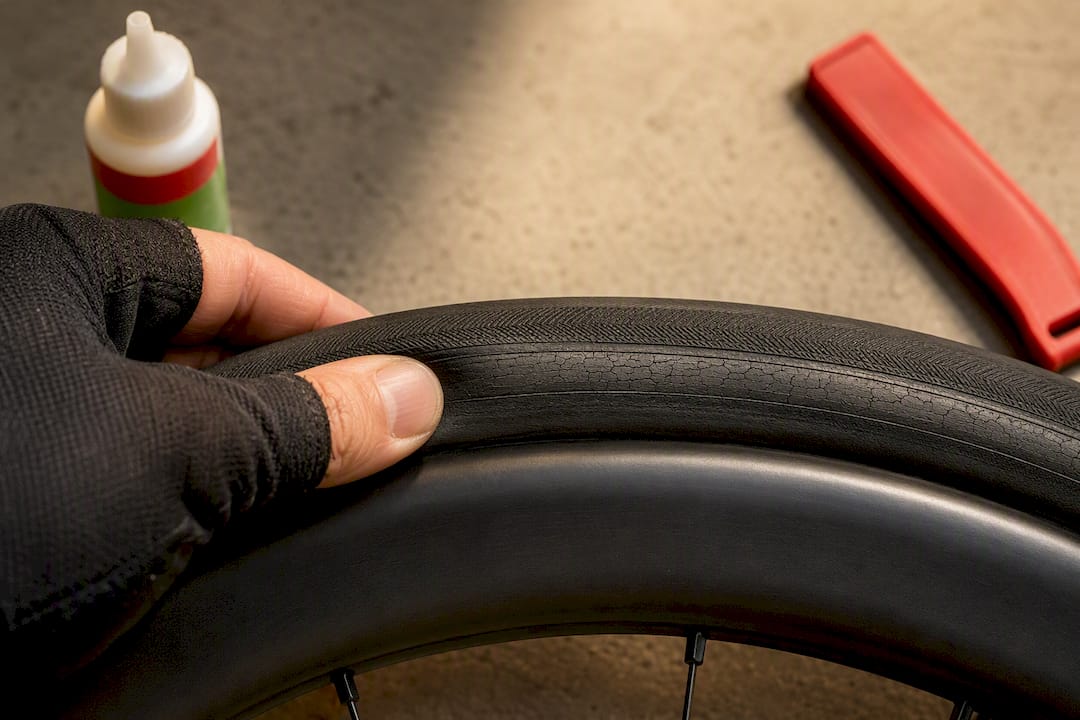
The practical approach most competitive riders take: run a fresh, race-specific tire set for key events, and let training miles accumulate on a slightly older set or a more durable standard tire. That keeps your fastest rubber in reserve for when it counts, rather than burning through peak performance on routine training rides.
What Aero Tires Cost and Whether They’re Worth It
Aero road tires typically sit at the premium end of the road tire market, reflecting the engineering that goes into compound tuning, high-TPI casings, and aero shape development. That premium buys you a tire that’s been through wind-tunnel or CFD testing, rather than a general-purpose design adapted for racing after the fact.
Value depends entirely on how you race. For a rider doing weekly time trials or crits where seconds decide placings, the rolling resistance and aero gains from a dedicated aero tire pay for themselves in results. For a rider doing occasional group rides or long endurance events where comfort and reliability outweigh marginal watt savings, a standard performance tire often delivers better value per dollar.
The smartest approach is thinking about cost per race rather than cost per tire. A tire that costs more upfront but delivers a genuine watt savings across a season of key races is a different value proposition than the same price tag applied to a tire you’ll only ride once or twice. Riders serious about return on investment tend to reserve their premium aero tires for A-priority races and run more durable, lower-cost tires for training, which stretches the lifespan of the expensive set considerably.
What Do Pro Cyclists and Industry Experts Say About Aero Tires?
Professional racing has moved decisively toward treating tires as part of the aero system rather than a separate component, a shift that industry reporting has tracked closely as brands redesign tires alongside their wheel systems instead of independently. Specialized’s approach with the RapidAir line reflects this directly, with the brand reporting watt and time improvements specifically when the tire is paired with its matching wheels rather than tested in isolation.
This system-first thinking is a notable departure from how tires were developed and marketed even a few years ago, when rolling resistance was treated as the primary metric and aero shaping was an afterthought. Now, casing suppleness and sidewall profile get evaluated specifically for how they interact with a given rim’s shape, since a supple casing that doesn’t hold its shape against a wide rim can actually hurt aero performance rather than help it.
Riders competing at a high level tend to echo this same emphasis on system fit over any single tire in isolation. The consistent theme across manufacturer testing and independent lab data alike is that the tire’s rated performance only holds up when it’s mounted to a rim within its intended width range. That’s a meaningful shift in how competitive cyclists should shop: the question isn’t just “which tire tests fastest,” but “which tire tests fastest on the rim I’m actually running.”
When Marginal Gains Actually Matter
Aero tires earn their keep in specific scenarios: time trials, flat criteriums, and any race where you hold a high sustained speed for an extended period. That’s where a few watts of rolling resistance and a cleaner aero profile compound into real time.
Outside those conditions, other upgrades often beat a tire swap. A poor rider position or a low power-to-weight ratio costs far more time than any tire choice will recover, and no tire fixes bad positioning on the bike. System-level thinking matters more than any single component: a fast tire on a mismatched rim can underperform a merely good tire mounted correctly.
— Matt
Get Your Aero Tire Setup Right the First Time
Guesswork is the most expensive part of buying aero tires. Order the wrong width for your rim, or skip the sealant math on a tubeless setup, and you’ve spent premium money on a tire that can’t deliver its rated performance. The shop stocks performance aero tires selected specifically for system fit, meaning the compatibility work between tire and rim has already been considered before offering them.
Browse the full tires category to compare aero-focused options for your race calendar, or check the components section if you’re planning a broader aero upgrade alongside new rubber. Compatibility questions, whether it’s rim width, tubeless setup, or which pressure range fits your rider weight, get answered directly rather than guessed at. If you’re outfitting for race season, the full catalog covers everything from tires to the tools you need to mount and maintain them. Place your order and get your setup dialed in before your next event.
Sources
FAQ
What PSI Do Tour de France Riders Use?
Pro riders typically run lower pressures than recreational cyclists, often in the 60 to 80 psi range depending on tire width, rider weight, and road surface, favoring lower pressure for reduced rolling resistance on rough pavement. Exact pressure varies by stage conditions and individual bike fit, so it’s a starting range rather than a fixed number.
What Is the 105% Rule in Cycling?
It’s a general guideline for matching tire and rim width rather than a strict engineering standard.
What Are the Best Aero Road Wheels to Pair With Aero Tires?
The best pairing depends on your rim’s internal width matching your tire’s intended width range, since aero gains are system-level rather than tied to the tire alone. Checking a wheel manufacturer’s published tire compatibility chart, like the ranges ENVE provides, is the most reliable way to confirm a good match.
Is an Aero Road Bike Worth It for Competitive Racing?
An aero-focused setup, including tires, wheels, and frame, delivers the most value in flat, high-speed racing like time trials and criteriums where sustained speed dominates the effort. For climbing-heavy races or long endurance events, other factors like weight and comfort often matter more than pure aero optimization.
How Much Does an Aero Road Tire Typically Cost?
Aero road tires sit at the premium end of the tire market due to their compound tuning, high-TPI casings, and aero-specific shaping. Current pricing and available models are listed on the Sportfactoryproshop tires page.