

Are TPU Bicycle Tubes Worth The Weight Reduction?
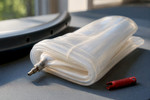
20–99g TPU Tube Weights Significantly Less Than Buytl Tubes and Lower Rolling Resistance

TPU inner tubes deliver sizable weight and rolling-resistance benefits but require model-specific care and have repair and valve limitations. Choose TPU when saving grams and carrying a compact spare matter more than easy roadside fixes, and skip it if you ride rim brakes with real heat buildup or want a tube you can patch without a second thought. Model quality and valve construction vary widely, so check the fitting guidance below before you buy.
TL;DR:
- TPU tubes are significantly lighter, often between 20 and 46 grams for 700c sizes, but weight savings depend on model quality and construction.
- Rolling resistance benefits of TPU over butyl are real and measurable but vary by model, with some TPU tubes approaching the performance of faster, heavier options.
- Punctures typically occur at valve joints, seams, or thin spots, and TPU patches require specific adhesive patches rather than standard butyl patches for effective repairs.
- Proper mounting involves low-pressure seating and careful valve alignment to prevent permanent stretching or pinching, with valve quality impacting long-term reliability.
- TPU is ideal for race or climbing where saving grams is critical, but not recommended for rough terrain or long touring due to repair limitations and sensitivity to heat.
Table of Contents
- What a TPU tube is and how it’s made
- Performance: measured weight and rolling-resistance differences
- Durability, puncture behavior and common downsides
- Mounting, valves, repairs, and what to carry on rides
- Which to choose: TPU, tubeless, or butyl for your riding
- What we’ve learned fitting TPU tubes at the shop
- Where to find compatible tires, pumps, and mounting tools
- Sources
- FAQ
What a TPU tube is and how it’s made
A TPU tube is an inner tube made from thermoplastic polyurethane instead of butyl rubber or latex. The material forms thinner, denser walls than butyl, which is where the weight savings come from. Some manufacturers build their tubes from several micrometer-thin layers welded together rather than one molded piece, a construction Continental describes as part of its TPU tube design.

Weight ranges swing a lot by model. A typical 700c road TPU tube runs roughly 20 to 99 grams depending on brand and width, with Continental’s own 700x25-35mm tube listed around 35 grams and other brands landing closer to 45 to 46 grams for a similar size range.
Valve construction matters just as much as tube weight:
- Metal valve cores hold up better under repeated pumping than plastic ones.
- Mechanically attached valve assemblies resist pulling loose during mounting or high-pressure inflation.
- Valve length still needs to match your rim depth the same way it does with butyl.
Performance: measured weight and rolling-resistance differences
Independent lab testing backs up the core TPU pitch: lower weight and lower rolling resistance than butyl, on average. Bicycle Rolling Resistance tested a wide range of TPU models and found meaningful differences from one tube to the next, not just between TPU and butyl as categories.
Independent rolling-resistance testing found TPU tubes vary in performance, with noticeable differences in rolling resistance between models, according to testing covered by BIKE magazine. That gap is small next to tire choice or pressure, but it is real, and it shows up consistently across test conditions.
A few things stand out when you translate those numbers into ride decisions:
- Rotating mass at the rim and tire has an outsized effect on how a bike accelerates and climbs compared to the same weight carried in the frame, which is the whole argument for a lighter tube in the first place.
- The lightest tube in a lineup is not always the fastest one; Bicycle Rolling Resistance data shows some 20 to 25 gram tubes topping the speed charts while some 30 to 40 gram tubes trade a little pace for sturdier construction.
- Category-level claims about TPU being light and fast do not guarantee any single model performs that way. Construction quality decides durability and valve reliability more than the material label does.
That last point is the one riders skip past most often. TPU as a material has real advantages, but the tube you actually buy has to earn them.
Durability, puncture behavior and common downsides
TPU tubes puncture differently than butyl, and that difference shapes how you should think about spares. The material resists small punctures reasonably well in lab conditions, but real-world failures tend to cluster around specific weak points rather than random tread punctures.
The most common failure points show up in the same places across brands:
- Valve-to-tube junctions, especially on tubes without a mechanically attached metal valve.
- Welded seams where the multi-layer construction joins.
- Thin spots from inconsistent wall thickness during manufacturing.
- Heat exposure from rim brakes, which Continental warns can cause pressure loss or sudden failure in some TPU products.
Patching is where expectations need the most adjustment. Standard butyl patches generally do not bond reliably to TPU material, so a proper fix calls for a TPU-specific adhesive patch or a self-adhesive system built for the material, according to fitting and repair guidance from TOUR. Even then, workshop guides treat patches as a stopgap rather than a permanent fix.
Pro Tip: Carry a spare TPU tube instead of a patch kit for TPU repairs. It packs smaller than a butyl spare and gets you home faster than trying to seat a patch on the road.
Mounting, valves, repairs, and what to carry on rides
Fitting a TPU tube wrong is the single biggest reason riders end up disappointed with the material. The process is simple, but the margin for error is smaller than with butyl.
- Seat the tube inside the tire before adding real pressure, and inflate only to about 0.3 bar while it’s still loose, a limit Continental specifies to keep the tube from stretching permanently out of shape.
- Mount the tire onto the rim with the tube at that low pressure, checking that the valve sits straight and the tube isn’t pinched under the bead.
- Bring the tire up to riding pressure only after the bead is fully seated on both sides.
- Recheck valve tightness after the first few rides, since vibration can loosen a valve core faster on some TPU designs than on butyl.
Valve quality deserves extra attention when you’re comparing models. Tubes with mechanically attached metal-valve assemblies tend to hold up better than press-fit plastic valves, and reviewers at Roadbook of Cycling note that improved valve welding has solved a lot of the early failure modes that gave TPU a rocky reputation. Check valve-hole sizing on your rim too. A valve hole cut for butyl sometimes needs a bit of tape or a different grommet to seal properly around a TPU valve stem.
Pro Tip: Keep one TPU spare and one butyl spare in your saddle bag on longer rides. If a TPU repair isn’t holding, a butyl tube gets you moving again without waiting on adhesive to cure.

For everyday training, check your tubeless pressure setup too, since the mounting discipline that protects a TPU tube applies to low-pressure tubeless setups in a similar way.
Which to choose: TPU, tubeless, or butyl for your riding
The right tube depends on what you’re actually riding, not on which option sounds most advanced.
- Race-day road riding and climbing: TPU makes sense here, where every gram on the wheel counts and you’re less worried about a mid-ride flat.
- Everyday training on rough roads: A slightly heavier, more durable TPU model or a standard butyl tube holds up better than an ultra-light TPU built purely for racing.
- Long touring or loaded riding: Butyl remains the simplest choice since punctures are easier to patch on the road with no special adhesive required.
- Gravel riding with debris: Tubeless usually wins here, since sealant handles small punctures without stopping to change anything.
TPU is not the universal upgrade some marketing suggests. Editorial comparisons from Roadbook of Cycling point out that tubeless still beats TPU where low pressures and sealant self-sealing matter most, while TPU wins on weight, compact spares, and skipping sealant maintenance entirely. If you’re weighing tubeless against either tube option, sealant volume needs are worth checking before you commit to either setup.
What we’ve learned fitting TPU tubes at the shop
TPU tubes can benefit riders chasing measurable performance gains, particularly on race day or for climbers counting grams. For everyday miles, we point most customers toward a durable mid-weight TPU model or a standard butyl tube, and we tell every TPU buyer to carry a spare tube rather than lean on a patch kit.
Pressure discipline during mounting is the detail that trips up the most riders. Following the low-pressure seating step before bringing a tire up to full pressure prevents most of the early failures we see. It’s a small habit that makes the difference between a TPU tube that lasts a season and one that fails on the first ride.
— Matt
Where to find compatible tires, pumps, and mounting tools
Getting TPU right depends as much on your tire and pump as on the tube itself. Choosing compatible high-performance tires, pumps, and inflation systems that accommodate the low-pressure mounting step TPU tubes require is important.
- Browse our tires category for tubes compatible with your rim and riding style.
- Check our pumps and inflation tools for gauges precise enough to hit that 0.3 bar mounting target.
- Look at handlebars, aerobars, and pedals if you’re upgrading more than just your tubes this season.
Consider consulting knowledgeable cycling retailers or specialists if you’re not sure which tube or tire combination fits your bike to get the right fit the first time.
Sources
- TPU Inner Tubes Test | Bicycle Rolling Resistance
- 10 TPU bicycle inner tubes tested: plastic better than rubber? — BIKE / bike-magazin
- TPU inner tube road bike: patching & fitting instructions — TOUR
- TPU inner tubes vs tubeless — Roadbook of Cycling
FAQ
What is a TPU tube?
A TPU tube is a bicycle inner tube made from thermoplastic polyurethane instead of butyl rubber, built to be thinner and lighter while still holding air reliably. Some models use multiple welded layers rather than a single molded tube, a construction detailed in Continental’s TPU tube specifications.
Are TPU tubes better than tubeless setups?
Neither option is universally better. TPU tends to win on weight, compact spares, and skipping sealant maintenance, while tubeless wins where low pressures and puncture sealing matter most, according to comparisons from Roadbook of Cycling.
What are the downsides of TPU inner tubes?
TPU tubes require careful mounting, since overinflating before the tire beads can permanently stretch the material, and standard butyl patches often don’t bond to TPU reliably. Valve failures and heat sensitivity near rim brakes are also more common than with butyl, per Continental’s fitting guidance.
Do TPU tubes leak air?
Some TPU tubes lose air faster than butyl if the valve core or valve junction isn’t well made, though quality varies significantly by model. Choosing a tube with a mechanically attached metal valve reduces this risk, based on testing and review data comparing TPU models.
How do I repair a punctured TPU tube?
TPU tubes need TPU-specific adhesive patches or self-adhesive patch systems since regular butyl patches typically won’t hold, as noted in TOUR’s repair instructions. Most riders find it faster and more reliable to carry a spare TPU tube instead of patching on the road.