

Yes, You Can Carry Repair Tools in a Water Bottle

Yes, You Can Carry Repair Tools in a Water Bottle
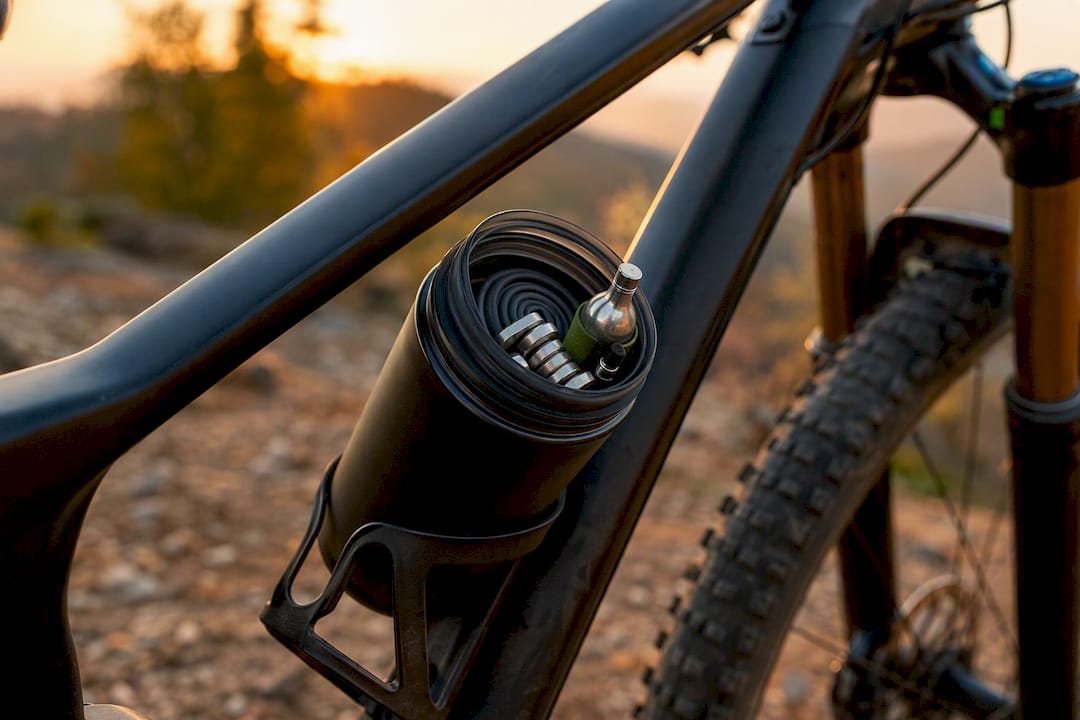
A purpose-built tool bottle is a practical, discreet way to carry a compact repair kit on most rides. It fits in a standard bottle cage, keeps tools dry, and skips the flapping saddlebag look entirely. The main exceptions are multi-day bikepacking trips and setups needing a full-size multi-tool or bulky pump. For most road, gravel, and commuter rides, though, this works. Products like the Muc-Off Tool Bottle and the Zoot Keg Storage Bottle prove the format out with real specs, not just marketing copy.
Before you buy, know this:
- Fit depends on your cage type and how many bottle mounts your frame has to spare.
- Access speed matters. A wide-mouth design beats a narrow one when your hands are cold or shaking after a mechanical.
- Sportfactoryproshop stocks several cage and bottle combinations built around these exact constraints.
Key Takeaways
A well-fitted, wide-mouth tool bottle beats a saddle bag on waterproofing and discretion for most rides under a full bikepacking tour.
| Point | Details |
|---|---|
| Measure before buying | Check tube diameter, multi-tool length, and cage type against the bottle’s stated opening and internal height. |
| Prioritize seal quality | A tight screw cap with an intact gasket outperforms snap lids for waterproofing on wet rides. |
| Pack tube first, tools last | Layer contents bottom to top and wrap CO2 cartridges in cloth to cut rattle. |
| Buy ready-made when possible | Manufactured bottles like the VAR or Muc-Off match standard cage dimensions more reliably than DIY builds. |
| Shop fit-tested options | Sportfactoryproshop stocks tool bottles and cages selected for consistent specs and rattle-free cage fit. |
Table of Contents
- Why Choose Tool Bottle Storage Over a Saddle Bag
- What Actually Fits Inside a Tool Bottle
- How Do You Choose the Right Tool Bottle?
- DIY Tool Bottle vs Ready-Made: What’s Actually Worth It
- Packing Your Tool Bottle to Avoid Rattle and Save Time
- Cleaning and Safety Checks for Tool Bottles
- Why Sportfactoryproshop Recommends Wide-Mouth Tool Bottles
- Where to Find Purpose-Built Tool Bottles and Cages
- Product Pages and References
Why Choose Tool Bottle Storage Over a Saddle Bag
The saddle bag vs tool bottle debate usually comes down to what you value more: capacity or cleanliness. A tool bottle wins on waterproofing, since a rigid screw-top container seals better than a zippered fabric pouch in a downpour. It also sits low in a cage, keeping your center of gravity down and your saddle profile uncluttered. No bag swinging under your seat, no zipper pull catching your shorts.
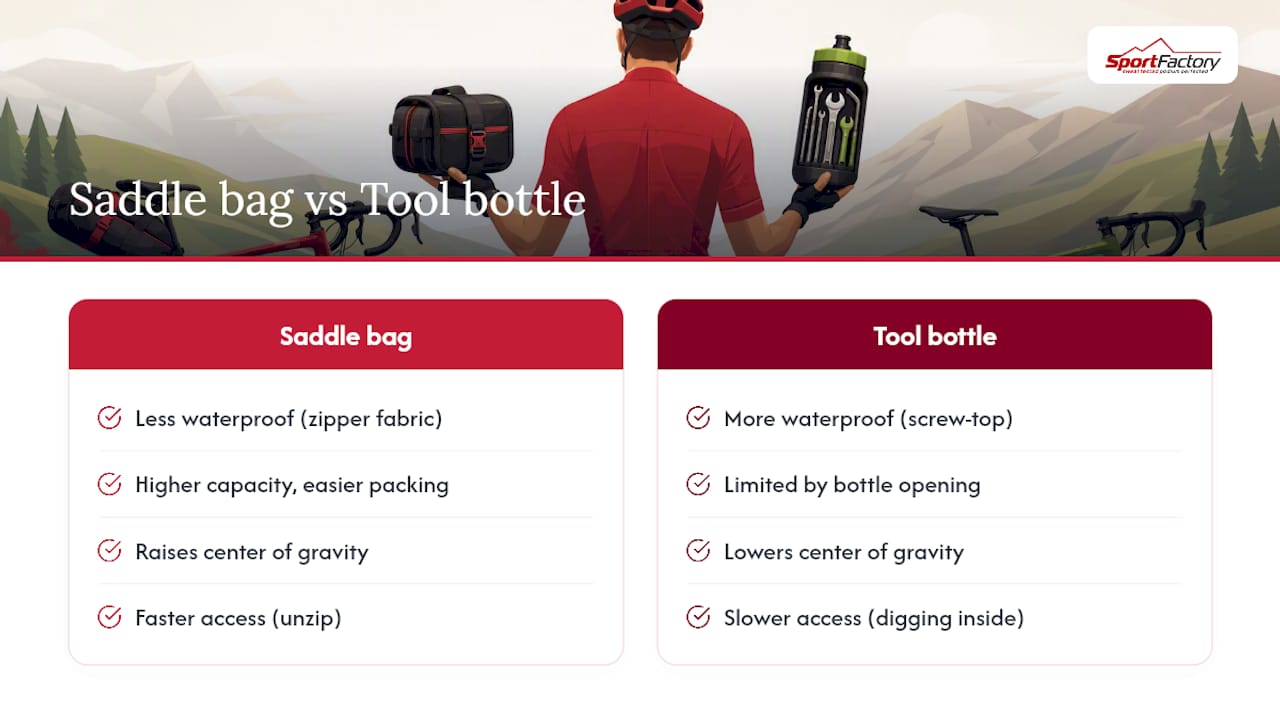
The trade-offs are real. Capacity is limited to whatever fits through the opening, and digging out a wrapped tube mid-ride takes longer than unzipping a saddle bag. Some bottles rattle against carbon cages if the diameter runs even a few millimeters loose. And if your frame only has two bottle mounts and you’re already running two bottles for hydration, something has to give.
Three quick scenarios: on a commute, a tool bottle in your second cage frees up your bag for a laptop. On a gravel ride with rough roads, that same rattle risk goes up, so packing matters more. On a short road ride under two hours, you might skip tools entirely and just carry a spare tube and CO2.
Pro Tip: If your bike only has one bottle cage, check whether a saddle bag vs tool keg trade actually saves you anything, since you’ll need to relocate your water bottle either way.
What Actually Fits Inside a Tool Bottle
Internal dimensions vary more than you’d expect across brands. The Muc-Off Tool Bottle holds a moderate volume suitable for an inner tube, a CO2 canister, gels, keys, and even a phone. The Zoot Keg Storage Bottle has a capacity around what a typical 16 oz bottle would provide, with a wide opening designed specifically for bulkier items like folded tubes and compact multi-tools. The VAR Tool Storage Bottle measures approximately standard water bottle dimensions, designed to avoid cage rattle.
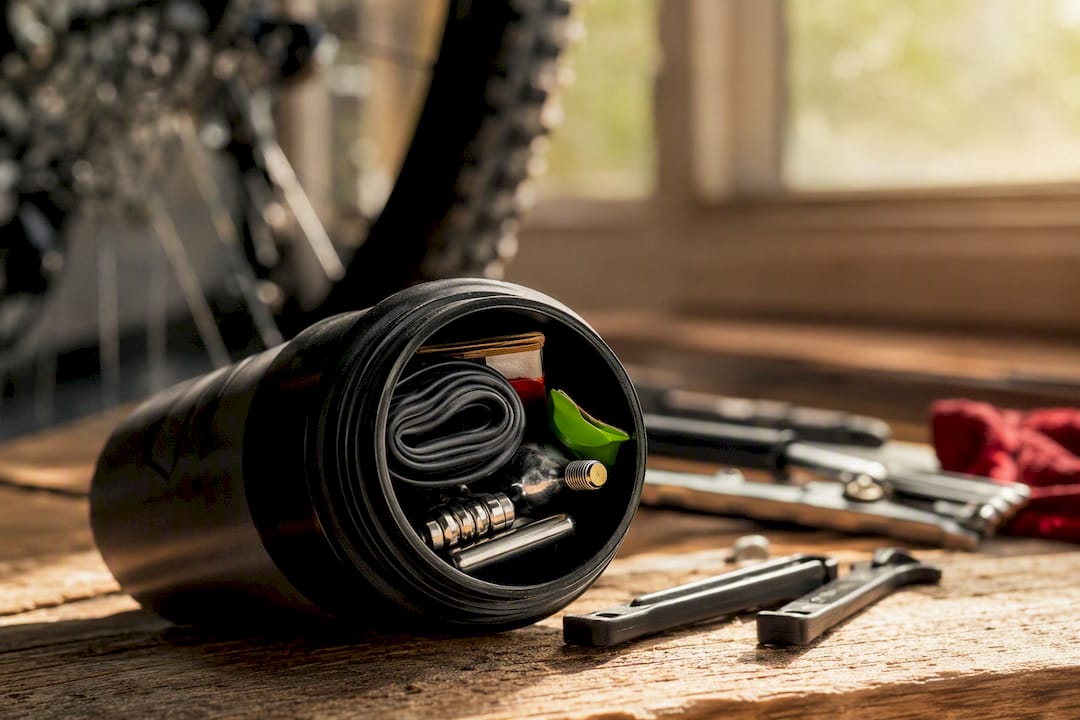
A realistic combo for most riders: one folded 700c tube, two tire levers, a CO2 cartridge with inflator head, and a slim multi-tool. That typically fills a 450 to 500ml bottle close to capacity. Trying to add a second tube or a full-size chain tool usually means something gets left behind.
To check fit before you buy:
- Measure your tube’s folded diameter and your multi-tool’s longest dimension.
- Check the bottle’s stated opening diameter against your bulkiest item.
- Confirm internal height against your tube-plus-CO2 stack.
- Test the bottle in your actual cage, not just a photo comparison.
How Do You Choose the Right Tool Bottle?
Not every tool bottle organizer is built the same way, and the wrong pick means a bottle that either doesn’t seal or doesn’t fit your cage. Run through this checklist before buying:
- Opening diameter: wider openings (like the Zoot Keg’s 63mm mouth) make packing and retrieval faster, especially with gloves on.
- Seal type: screw caps generally seal tighter than snap lids, but check the gasket condition since a worn O-ring is the most common failure point.
- Material: look for BPA-free, food-grade plastic, which most reputable brands state directly on the product page.
- Internal diameter: measure this against your bulkiest single item, not the whole kit combined.
- Dishwasher-safe claims: convenient, but not essential if you’re comfortable hand-washing.
For a commuter, the must-haves are a tight seal and cage compatibility. Reliability matters more than speed here since you’re not fumbling for tools on the side of a busy road. A gravel rider should prioritize a wide opening and rattle resistance, since washboard roads expose loose-fitting bottles fast. A racer might skip the tool bottle altogether on race day and save it for training rides, since every gram and second counts differently in competition.
Cage compatibility deserves its own check. Standard side-entry cages accommodate almost any bottle shape, but side-load cages (common on smaller frames or full-suspension mountain bikes) can be pickier about bottle diameter and where the widest point of the bottle sits.
Pro Tip: Bring your multi-tool to the store, or measure it at home, before ordering a bottle online. A five-millimeter miscalculation is the difference between a tool that slides in smoothly and one that jams halfway.
DIY Tool Bottle vs Ready-Made: What’s Actually Worth It
Building your own tool keg is tempting, and it can work. A wide-mouth shaker bottle with a foam insert cut to size handles basic tools reasonably well, and adding a rubber gasket around the lid threads improves the seal. The risks: most shaker bottles aren’t rated for outdoor exposure, and a failed seal means road grit or rainwater soaking your tube and CO2 cartridge before you need them.
Ready-made options solve those problems out of the box. The VAR Tool Storage Bottle and Muc-Off Tool Bottle are built to standard cage diameters, so you’re not guessing at fit. Manufactured bottles also tend to hold up better over repeated cage friction and temperature swings than a repurposed container designed for protein powder.
Cost-wise, a DIY build might save you ten or fifteen dollars up front, but factor in the hour or two spent cutting foam and testing seals. If you ever plan to use the same bottle for actual hydration or food, don’t repurpose one that’s held greasy tools. Food-grade labeling exists for a reason, and cross-contamination isn’t worth the risk.
Packing Your Tool Bottle to Avoid Rattle and Save Time
Order matters as much as contents. Pack in this sequence for fastest roadside access:
- Folded tube at the bottom, rolled rather than crumpled to avoid puncturing itself.
- Two tire levers laid flat along one side.
- CO2 cartridge wrapped in a thin cloth or bandana, both for cushioning and as a makeshift rag afterward.
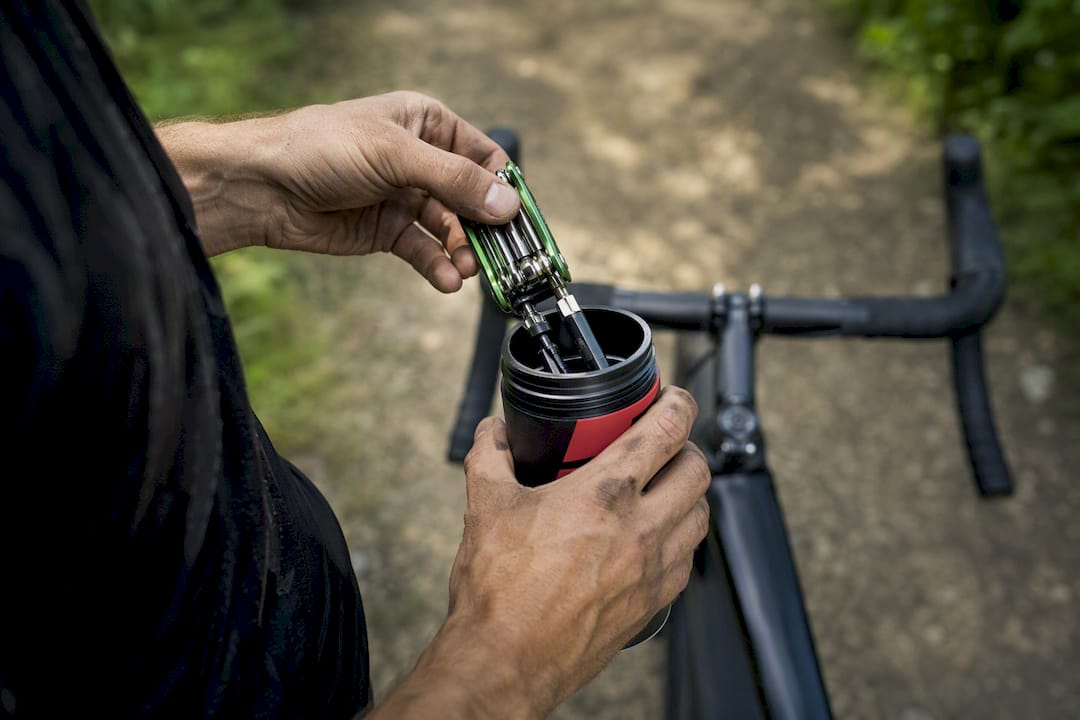
- Compact multi-tool wedged near the top for quick access.
- Small folded cash or ID tucked against the inner wall, if space allows.
For anti-rattle, a thin foam sleeve around the CO2 cartridge does more work than most riders expect, and a rubber O-ring seated in the bottle mouth keeps the multi-tool from shifting on rough terrain. Reddit threads on gravel-specific tool storage setups consistently mention this same combination.
Pro Tip: Keep your CO2 inflator or mini-pump in the same spot every time you pack, so your hand finds it by muscle memory even when you’re stressed out on the side of the road.
If you’re running a single bottle cage for tools, carry a backup patch kit in a jersey pocket. Redundancy costs almost nothing in weight and saves your ride when the bottle’s contents aren’t enough.
Cleaning and Safety Checks for Tool Bottles
Rinse your tool bottle after wet or muddy rides, then let it air dry fully upside down. Trapped moisture inside a sealed container is exactly how mold gets started, and a lid left closed on a damp interior overnight is often enough.
- Check the gasket or O-ring every few months for cracking or flattening, since that’s the first place a seal fails.
- Test waterproofing occasionally by submerging the sealed, empty bottle briefly in a sink.
- Confirm BPA-free and food-grade labeling still applies if you ever plan to switch the bottle back to holding water or nutrition.
Manufacturer claims about waterproofing and food-grade materials generally hold up across brands like Muc-Off and Zoot, but a bottle that’s carried greasy chain tools shouldn’t go back into hydration rotation. Cross-contamination risk isn’t worth cutting corners on.
Why Sportfactoryproshop Recommends Wide-Mouth Tool Bottles
We keep coming back to wide-mouth designs because they solve the actual problem riders complain about most: fumbling with cold hands after a flat. A bottle with a narrow opening looks tidy on a shelf but turns into a frustrating puzzle at mile forty… Our advice to most customers is simple: buy for access speed first, capacity second, and looks last.
Where to Find Purpose-Built Tool Bottles and Cages
Sportfactoryproshop carries tool storage bottles, compatible cages, and compact multi-tools built for exactly the packing setups covered above. Rather than guessing whether a bargain-bin bottle fits your cage, our team curates gear from brands known for consistent specs and dependable seals.
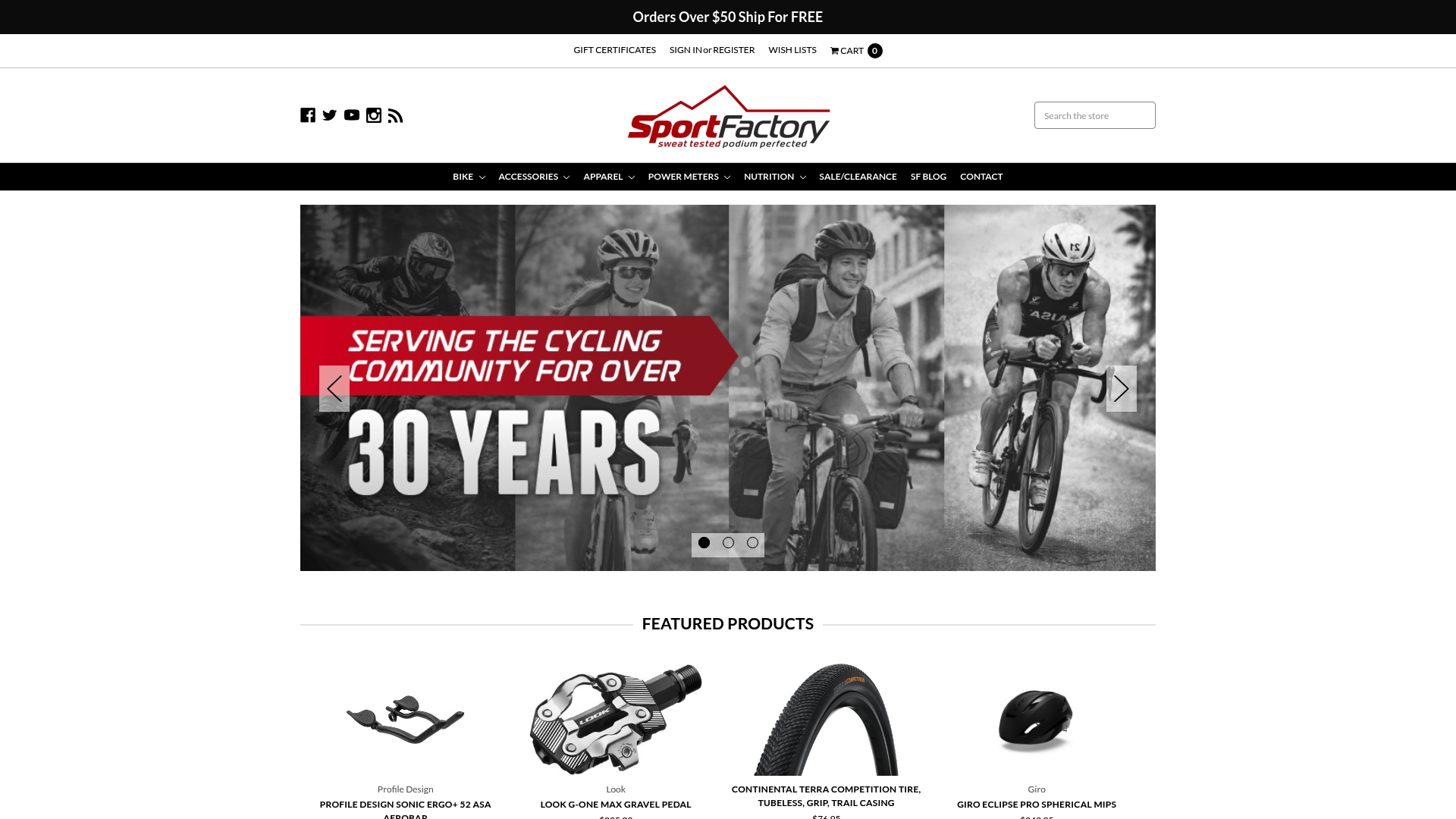
Browse our storage bottle and cage selection, check the multi-tool section if you need a compact option that fits alongside a folded tube, and confirm cage compatibility against your frame’s mounts before ordering. If you’re unsure which bottle diameter matches your current cage, measure your existing bottle first since most standard cages share similar tolerances. Visit the Sport Factory Pro Shop landing page to see current stock and start narrowing down options that match your ride type, whether that’s a daily commute or a weekend gravel loop.
Product Pages and References
- Muc-Off Tool Bottle: capacity, waterproofing, and material specs.
- Zoot Keg Storage Bottle: opening diameter and food-grade material claims.
- VAR Tool Storage Bottle: dimensions and rattle-free fit claims.
- Lezyne Flow Storage Cage: integrated cage storage as an alternative approach.
- SiS Bike Bottle: wide-mouth hydration bottle reference for capacity comparison.