

Athletic Progress Is a Board Game of Strategy: How to Win Yours
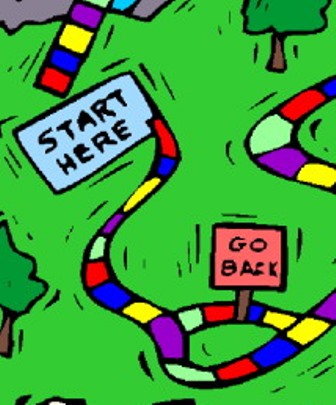
Progress in athletics rarely comes in giant leaps. More often, it occurs through a series of small steps, each moving you a little closer to your ultimate objective. Some decisions advance your progress, while others send you backward. And, just like a board game, there are always a few circumstances left to chance.
I like to think of athletic development as a game of strategy. At the end of the board is your dream goal, whether that's completing your first triathlon, qualifying for a championship, setting a personal record, or simply becoming the best athlete you can be. Along the way, you'll encounter opportunities, setbacks, unexpected challenges, and decisions that influence how quickly you advance.
Some factors, such as genetics and certain life circumstances, are largely outside your control. Others, including training consistency, recovery, preparation, and mental skills, can be developed and improved.
The objective is to understand the rules, make good decisions, and keep moving toward your goals. Let's play.
Kiss Your Mama and Move Three Spaces Forward
It would be wonderful if every athlete started with the same physical potential, but unfortunately, we don't. Genetics influence numerous characteristics associated with endurance performance, including aerobic capacity, muscle fiber composition, body structure, and responsiveness to training.
If your mother was an Olympic swimmer and your father a world-class marathoner, you may have inherited some favorable physiological characteristics. In board-game terms, you've been dealt a pretty good opening hand.
However, genetics don't determine your entire athletic future. Training history, nutrition, recovery, access to opportunities, and personal circumstances all influence how much of that potential you develop.
Some athletes begin with exceptional natural ability but never achieve their potential because they lack consistency or discipline. Others start with relatively modest abilities and make remarkable progress through years of intelligent training.
You can't choose your genetic inheritance, but you can decide how effectively you develop the abilities you've been given.
Head Cases Move Two Spaces Back
Mental skills are among the most important and frequently overlooked components of athletic performance. The ability to remain focused under pressure, maintain motivation, respond to setbacks, and make good decisions during competition can influence the outcome of a race.
Fortunately, these abilities aren't entirely innate. Mental skills can be developed through practice, experience, and deliberate preparation.
I often distinguish between athletes motivated primarily by external rewards and those who derive satisfaction from personal improvement. Race placements, recognition, and awards can certainly be motivating, but they aren't always within your control.
Athletes who also value personal achievement, mastery, and enjoyment of their sport may find it easier to maintain motivation when results don't go their way.
A confident, focused athlete who can adapt to unexpected challenges has a meaningful advantage. However, confidence doesn't mean never experiencing doubt, and mental toughness doesn't mean ignoring physical or emotional warning signs.
It means developing the ability to respond constructively when the game doesn't go according to plan.
Define the Object of Your Game and Move Two Spaces Forward
Ask an endurance athlete whether they expect to still be training and competing five years from now, and the answer will often be yes. Ask what they specifically hope to accomplish during those five years, and the response may be less certain.
There is nothing wrong with participating in sport simply because you enjoy it. Fitness, friendship, competition, and personal satisfaction are all worthwhile reasons to train.
However, athletes pursuing a particular performance objective benefit from defining that goal clearly. Knowing what you want to accomplish makes it easier to determine what kind of training, preparation, and commitment will be required.
Your ultimate objective might be qualifying for the Ironman World Championship, completing a marathon under a certain time, or improving your cycling power over the next several seasons.
Once you've established a meaningful long-term goal, break it into smaller, measurable objectives. These might include improving consistency, developing a particular physiological ability, refining technique, or completing specific training milestones.
A goal provides direction, but the daily process is what moves you forward.
The Injured and Overtrained Move One Space Back
Injuries and excessive training fatigue can interrupt even the most carefully designed athletic development plan. Although not every injury is preventable, appropriate training progression, recovery, and attention to early warning signs can reduce avoidable setbacks.
One of the most important skills an athlete can develop is recognizing the difference between productive training fatigue and signs that something isn't right.
Persistent soreness, declining performance, disrupted sleep, unusual fatigue, and recurring pain may indicate that training demands are exceeding your ability to recover. Localized or worsening pain deserves particular attention rather than an automatic decision to push through it.
I've worked with athletes who seem to be constantly at war with their own bodies. They view every missed workout as a failure and every rest day as lost fitness. Unfortunately, this approach often leads to repeated interruptions and less consistent training.
Athletes who understand when to back off can frequently accomplish more over the long term because they spend less time recovering from preventable problems.
Remember, training doesn't make you fitter simply because it makes you tired. Improvement occurs when your body adapts to the stress you've applied.
Sometimes the smartest move on the board is taking a rest day.
Have a Game Plan and Move Three Spaces Forward
Successful athletic development requires more than working hard. It requires a training program that applies the appropriate stress at the appropriate time while allowing sufficient recovery.
Exercise science, training technology, and coaching methods have improved our ability to monitor performance and individualize training. Power meters, GPS watches, heart rate monitors, and other tools can provide valuable information when used correctly.
However, technology alone doesn't create fitness. The value lies in understanding the information and using it to make better training decisions.
A well-designed training plan should account for the athlete's experience, strengths, weaknesses, available training time, recovery capacity, and competitive goals.
This is where individualized coaching can provide value. An experienced coach can help identify limitations, organize training progression, and adjust the plan when circumstances change.
But whether you work with a coach or develop your own program, the principle remains the same: purposeful training generally produces better results than simply accumulating workouts.
A good strategy doesn't guarantee victory, but it greatly improves your chances of making progress.
Take Yourself Too Seriously and Move Two Spaces Back
One of the qualities I value in athletes is the ability to maintain a life outside their sport.
The athletes who tend to sustain their motivation over many years often have supportive relationships, interests, hobbies, and a healthy sense of humor about themselves. They are committed to training, but their entire identity isn't dependent on race results.
When every workout becomes a test of personal worth and every disappointing race feels like a catastrophe, the enjoyment of sport can disappear.
A balanced life can also provide emotional resilience. Friends, family, and interests outside competition offer perspective when training becomes difficult or performance falls short of expectations.
This doesn't mean serious athletes should lack dedication. High-level performance often requires substantial commitment and sacrifice. The challenge is maintaining that commitment without allowing sport to consume every other part of life.
Enjoying the process is important because the journey toward a meaningful athletic goal may take years.
If you're miserable every step of the way, you might want to reconsider how you're playing the game.
Time It Right and Move One Space Forward
Time is an important factor in athletic development. Building endurance, strength, technical proficiency, and competitive experience generally requires years of consistent training.
Starting young may provide certain advantages, particularly in sports where technical development and accumulated training experience are important. However, beginning later in life doesn't mean meaningful athletic improvement is out of reach.
Although some physiological capacities tend to decline with age, regular training can preserve substantial fitness and support impressive performances well into the masters years.
I've seen athletes discover endurance sports later in life and accomplish things they never imagined possible. Their goals may differ from those of younger competitors, but the satisfaction of personal improvement can be just as meaningful.
The important consideration is matching your objectives to your current abilities, training history, and circumstances.
You can't change when you started, but you can make productive use of the time ahead.
Keep Playing and You Give Yourself More Chances to Win
The greatest advantage in athletic development may be persistence. Athletes who remain engaged, continue learning, and adapt to setbacks give themselves more opportunities to improve.
However, persistence shouldn't be confused with blindly pursuing an unrealistic objective. Goals sometimes need to change because of injuries, health, family responsibilities, or shifting priorities.
There is no failure in adjusting your destination when circumstances warrant it.
Winning doesn't necessarily mean crossing the finish line first. For many athletes, it means achieving a meaningful personal goal, overcoming a difficult challenge, or discovering capabilities they didn't know they possessed.
And when you finally reach an important objective, there is always another game to play.
Perhaps you'll pursue a faster race time, try a different endurance discipline, or simply enjoy participating without the pressure of competition.
Athletic development should remain challenging, rewarding, and enjoyable. There is little reason to continue playing a game that no longer provides any satisfaction when so many other opportunities exist.
The Bottom Line: Play the Long Game
Athletic progress is the accumulation of countless decisions made over months and years. Some move you forward, others slow your progress, and a few setbacks occur regardless of how carefully you prepare.
You can't control every roll of the dice, but you can influence the quality of your training, the consistency of your preparation, the attention you give to recovery, and the attitude you bring to competition.
Define what success means to you, develop a realistic plan, and be willing to adapt when circumstances change.
Most importantly, remember that progress rarely follows a perfectly straight line. A temporary setback doesn't mean you've lost the game.
Keep learning, keep making good decisions, and keep moving forward. The next square may bring you closer to your goal than you realize.
By Coach Matt Russ
Coach Matt Russ enjoyed a professional coaching career spanning over two decades of working with professional endurance athletes. His athletes have achieved numerous regional, national, international and championship titles under his direction. Matt achieved the highest level of licensing by both USA Triathlon and USA Cycling, and was a licensed USA Track and Field Coach as well as a SICI Certified Bike Fitter. His accomplishments include being named "Team USA" Coach for the Beijing World Championship. Head Coach and founder of The Sport Factory, a USA Triathlon Certified Performance Center, he has authored many articles on a wide variety of endurance related topics.