

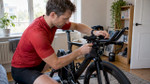
Aerobars May Fix Cyclists Numb Hands. Test Before You Ride.
Posted by Matt Russ on 16th Oct 2026
Aerobars May Fix Cyclists Numb Hands. Test Before You Ride.

Aerobars often relieve numb hands because they move your body weight onto your forearms and let your wrists sit in a neutral position. The catch is that the fix depends on what is causing the numbness and on how well your pads are set up. Try a careful, short trial and adjust your fit. If the numbness lingers or comes with weakness, get it evaluated.
TL;DR:
Pinky and ring finger tingling points toward ulnar nerve pressure at the palm; thumb, index, and middle finger symptoms suggest median nerve stress.
Test aerobars if palm pressure occurs on long, steady rides; begin with short sessions on a quiet route or trainer, and keep brake access easy.
Correct saddle tilt and reach before buying gear; then check bar height, lever angle, and aerobar pad position, changing one item at a time.
Stop riding and seek medical evaluation if numbness persists afterward, worsens across rides, or comes with weakness, clumsiness, or visible muscle loss.
When tingling starts during a ride, switch hand positions, loosen your grip, stand briefly, and rest if it does not fade or your hand feels weak.
Table of Contents
-
How aerobars change hand loading and why that can relieve numbness
-
When numbness is serious: red flags and when to see a specialist
How aerobars change hand loading and why that can relieve numbness
On a standard road or time trial setup, a surprising share of your upper body weight lands on the heel of your palm. That is exactly where the ulnar nerve passes through a narrow tunnel at the wrist, known as Guyon’s canal. Case reports of handlebar palsy describe motor damage to the ulnar nerve branch after riding, caused by chronic external pressure over the palm, and they note that individual handlebar shape and riding position are crucial for prevention.
Aerobars change the equation. Instead of pressing your palms into the hoods or drops, you rest your forearms on pads, and your hands simply hold the extensions. The load moves from a small, nerve-dense area to a much larger, padded one. Your hands become guides instead of support columns.
Here is what that shift typically does for you:
-
Forearm support replaces palm support. Your elbows and forearms carry most of the upper body weight, so the wrist structures are not being squeezed against the bar.
-
A neutral wrist becomes possible. When your hands grip the extensions in a handshake position, the wrist stays roughly in line with the forearm instead of bending back or sideways.
-
Pressure on Guyon’s canal drops. Without a hard bar edge pressing into the heel of the hand, the ulnar nerve gets relief.
-
Stretch on the median nerve eases. Sustained wrist flexion or extension can stress the median nerve, and a straighter wrist reduces that load.
-
You can shift weight more easily. Moving between pads and base bar creates natural variation, which helps because constant static pressure is the enemy.
Aerobars are not a guaranteed cure, though. A pad set too far forward, an extension angle that cocks your wrist, or a reach that is simply too long can create new pressure points. You might trade palm numbness for sore elbows, a tingling forearm or neck strain. If the pads are too narrow or too wide, your shoulders and wrists compensate in awkward ways. The benefit only appears when the setup is dialed in.
Pro Tip: Set your extension angle so that, when you grip them, a straight line runs from your elbow through your wrist to your knuckles. If your wrists bend upward or sideways to reach the grips, tilt the extensions slightly until the bend disappears. Small changes of a few degrees often make a noticeable difference, so adjust, ride, and recheck.
If you want a step-by-step companion for dialing in comfort, our guide on how to increase comfort in the aerobars walks through pad and setup tips that line up with everything above.
Common causes of numb hands when cycling
Before you change anything on your bike, it helps to know what your hands are telling you. Where the numbness shows up usually points to which nerve is under stress. That matters because the fix for one is not always the fix for the other.
Ulnar nerve compression (handlebar palsy). If your pinky and ring finger go numb or tingly, the ulnar nerve is the usual suspect. The mechanism is pressure at Guyon’s canal, where the nerve crosses the heel of the palm. A narrative review of median and ulnar nerve injuries in cyclists found that pressure on the hands during riding is the underlying trigger across many studies, though most of the evidence comes from case reports and small cohorts, so the quality is generally low but the message about prevention and recognition is consistent. In more severe cases, riders notice weakness in the small muscles of the hand: trouble spreading the fingers, clumsiness with small objects, or a weaker pinch.
Median nerve compression (carpal tunnel type symptoms). If your thumb, index and middle fingers go numb, think median nerve. According to the American Society for Surgery of the Hand, median nerve compression at the wrist causes numbness in those fingers and may worsen when the wrist is bent for a long time. On the bike, that translates to long stretches with your wrists flexed or extended while pressing into the bar.
Other sources of numb hands include:
-
Neck-related nerve irritation (cervical radiculopathy). A pinched nerve in the neck can send tingling down the arm. Aggressive, long-held head and neck positions can aggravate it, and our guide on neck, shoulder and upper back pain when cycling covers posture and core engagement that help unload the hands too.
-
Systemic nerve conditions. Numbness that shows up away from the bike, or in both hands regardless of position, deserves a medical look.
-
Road vibration. Hours of buzz through the bar can contribute to irritation, especially on rough surfaces.
-
Poor geometry. A saddle tilted nose-down, a bar that is too low, or a reach that is too long all push weight forward onto the hands.
Different riding situations tend to provoke different patterns. Long rides in one hand position, extended time on the drops, and steep descents where you brace against the bar are classic triggers. Time trial and triathlon riders can also run into trouble when their pads and extensions are poorly matched to their bodies.
A review of ulnar neuropathy in cyclists notes that the cyclist’s riding posture exposes the ulnar nerve to traction and compression at the wrist and elbow, and that prevention includes bike fitting, avoiding prolonged weight through the hands, and padded gloves. Most cycling compression neuropathies resolve with rest and conservative care, but persistent symptoms may need decompression surgery.
One statement worth remembering: a case series on handlebar palsy reports that even a single ride can produce this kind of lesion in some situations, which is why it pays to take hand pressure seriously from the very first tingle.
A practical way to use all this: write down which fingers go numb, how long into the ride it starts, and which hand position triggers it. That short note gives you, your fitter, or your clinician a real starting point.

When aerobars help: criteria for deciding on a trial
Aerobars are a smart experiment for some riders and a poor match for others. A few quick filters help you decide.
Scenarios where aerobars commonly help:
-
You ride time trials or triathlons and already want a low, aero position.
-
You feel pressure in the heel of your palm on the hoods or drops, especially on long, steady efforts.
-
Your numbness starts after a consistent amount of time in one fixed hand position.
-
You have a fit that allows a stable, relaxed forearm position without strain on your shoulders or neck.
When not to expect benefit:
-
Your symptoms show up at rest, at night, or while doing everyday tasks, not just on the bike.
-
You notice weakness, dropping things, or clumsiness in the hand.
-
You see visible muscle loss at the base of the thumb or between the knuckles.
-
Your bike handling or comfort in the position is already poor, and you would be adding a more demanding setup on top.
In those cases, a clinical check should come before any new equipment. The American Academy of Orthopaedic Surgeons cautions that numbness that does not resolve within a few minutes after you stop, that worsens over successive rides, or that comes with persistent weakness or clumsiness suggests significant compression and requires clinical evaluation, because permanent nerve damage is possible.
How to trial aerobars safely. Start in a quiet, controlled place: a flat road with little traffic or an indoor trainer. Keep your first sessions short in the pads, then come back up to the base bar. Gradually build time over several rides. Make sure you can reach your brakes and shifters quickly. If anything feels sketchy, adjust before you push further.
Use this checklist during your first few trial rides:
-
Check that your elbows and forearms sit comfortably on the pads without pinching or hot spots.
-
Confirm your wrists stay straight and relaxed when you hold the extensions.
-
Watch for any new tingling or numbness, and note which fingers.
-
Make sure you can steer, brake and shift confidently from the position, or reach them within a moment.
-
Confirm your neck and shoulders feel loose, not locked.
-
Come out of the position early if anything feels wrong, and note the cause before trying again.
Pro Tip: Do your first trials on the same route each time. When the road, wind and effort are constant, you can tell whether a change in how your hands feel came from your adjustment or from the conditions.
If you are setting up aerobars for the first time, our aerobar fit guide breaks the process into steps from bench setup to road test.
Bike-fit and position adjustments that reduce hand pressure
Whether you use aerobars or not, hand pressure often starts with where your weight sits on the bike. If too much of it falls forward, your hands become a third support point, and the nerves in your palms pay the price. The good news is that a handful of changes can shift the load back to where your body handles it best.
Work through these adjustments one at a time, and ride after each so you know what helped:
-
Saddle tilt. A nose-down saddle makes you slide forward and brace on the bars. Bring it close to level, then fine-tune in small steps.
-
Saddle fore/aft. If you sit too far forward, more weight lands on your hands. Moving back slightly can rebalance things, but change your height and reach checks afterward.
-
Bar height. A bar that is very low relative to your saddle increases forward loading. Raising it a little can ease palm pressure, even if it costs a bit of aerodynamics.
-
Reach. An overly long stem or extended cockpit stretches you out and loads the hands. A shorter reach often calms things down.
-
Brake and hood position. Rotate and place your levers so your wrist stays in line with your forearm. If you have to bend your wrist up to reach the hoods, the setup is working against you.
-
Bar width and shape. Anatomically shaped bars and the right width for your shoulders spread pressure better. British Cycling’s physiotherapy guidance lists bike fit, shifting hand positions, padded gloves, anatomically shaped bars, correct bar width and correct brake/hood setup among its recommended prevention measures.
-
Hand rotation. Change positions often, between tops, hoods, drops and, if you have them, the aerobar extensions. Constant variety beats the perfect single grip.
If you ride aerobars, pad placement deserves its own check. Pads set too far forward push your weight toward your hands and elbows. Pads too narrow or too wide twist your shoulders and wrists. Our guide to aerobar pad placement gives six checks you can run at home, and it pairs well with the bench-to-road fit guide.
Here is a quick way to tie symptoms to likely fixes:
| What you notice | Likely contributor | First adjustment to try |
|---|---|---|
| Pinky and ring finger tingle on the hoods | Pressure at the heel of the palm | Rotate levers, raise bars slightly, change hand position often |
| Thumb and first two fingers go numb on long rides | Sustained wrist bend | Straighten wrist line, check reach and lever angle |
| Sliding forward onto the bars | Saddle tilted nose-down | Level the saddle, then reassess reach |
| Elbow or forearm soreness on pads | Pads too far forward or too narrow | Move pads back, check width |
| Tingling only after hard descents | Bracing against the bar | Practice relaxed grip and core engagement |
Keep a short log of each change and how your hands felt afterward. If you have worked through several of these adjustments and symptoms persist, book a session with a qualified bike fitter. A fitter can watch you pedal, spot asymmetries you cannot feel, and test changes faster than trial and error on your own. The handlebar palsy case reports stress that individual adaptation of handlebar shape and riding position is crucial, which is another way of saying there is no universal setup.
Quick ride-time fixes and gear tweaks
Sometimes the numbness shows up mid-ride, miles from home. You do not need a full bike fit session to take the edge off. A few quick moves often settle things down.
Try these in order:
-
Change your hand position right away, moving from the hoods to the tops, or from the pads to the base bar.
-
Loosen your grip. A death grip squeezes the nerves and tires your forearms.
-
Stand up briefly and let your hands float, using your legs and core to carry your weight.
-
Shake out your hands and gently open and close your fingers for a few seconds.
-
Bend your elbows slightly and drop your shoulders so your arms absorb road buzz.
-
Stop and rest if tingling does not fade, or if you notice clumsiness or weakness.
Gloves and padding. Padded or gel gloves spread pressure and soften vibration. A review of ulnar neuropathy in cyclists lists padded gloves among its prevention measures, alongside bike fitting and avoiding prolonged weight through the hands. Extra layers of bar tape or a small foam pad under the heel of the hand can also help in a pinch. For options, browse our cycling gloves, including fingerless and gel styles.
Technique tweaks that unload your hands:
-
Engage your core so your torso carries its own weight instead of resting on the bar.
-
Use light, relaxed braking and avoid squeezing the lever when you do not need to.
-
Keep your elbows soft on rough pavement.
-
Shift your weight back slightly on descents instead of bracing forward.
Pro Tip: Set a recurring reminder on your bike computer to change hand position. Most riders do not notice pressure building until it is already a problem, and a simple prompt keeps you ahead of it.
When to stop riding immediately. If you cannot grip the bar firmly, drop items, feel persistent weakness, or the numbness gets worse instead of fading, stop. Pushing through risks making a temporary problem much harder to fix. Mild tingling that disappears shortly after the ride is common, but riding through worsening symptoms is a mistake many experienced cyclists make, and it is better to catch it early.
When numbness is serious: red flags and when to see a specialist
Most numb hands settle with a position change and a little rest. Some do not, and recognizing the difference protects your hands for the long term.
Watch for these red flags:
-
Numbness that persists after you stop riding.
-
Symptoms that get worse from one ride to the next.
-
Persistent weakness or clumsiness, such as trouble gripping, buttoning a shirt or holding a pen. Seek immediate emergency medical care for these symptoms.
-
Visible muscle loss at the base of the thumb or between the bones of the back of the hand.
-
Numbness that wakes you at night or shows up during everyday tasks away from the bike.
The AAOS guidance is clear that muscle atrophy is a serious sign that requires prompt intervention, since nerve-dependent muscle function may not regenerate once lost.
What conservative care usually looks like. Most clinicians start with the simple steps: rest from the aggravating activity, fix the bike setup, and avoid pressure on the affected area. A report on acute handlebar syndrome describes the condition as an ulnar neuropathy caused by repetitive compression at the wrist, with early diagnosis and avoidance of repetitive local pressure as the main goals. Conservative measures, including night splinting for anywhere from 1 to 12 weeks, are recommended, and surgery is reserved for cases where conservative care fails or there is an anatomical lesion. AAOS adds that surgical decompression is considered when non-operative treatments such as splinting, activity modification, anti-inflammatories or therapy have not stopped symptoms.
What an evaluation involves. The American Society for Surgery of the Hand explains that diagnosis relies on history, a physical exam and testing. Your clinician will ask which fingers are affected and when, check strength and sensation, and may order nerve conduction studies or imaging to locate the problem. A narrative review notes that clinical assessment and neurophysiology usually guide management in cyclist nerve injuries.
Take action early. If you have any of the red flags above, do not wait for the next season to see whether it clears up. The sooner a specialist looks at it, the better your odds of avoiding lasting damage. You can use the American Society for Surgery of the Hand’s directory to find a hand surgeon near you, and bring your notes on which fingers go numb and in which positions.
Coach Matt and how we approach numb hands
We built our approach around a simple belief: comfort comes from fit first and gear second. This pattern is common. Riders blame the equipment, when the real culprit is often a saddle angle, a reach that is a little too long, or pads sitting a few centimeters off.
Our stepwise process looks like this:
-
Check the fit basics: saddle tilt, bar height, reach and lever position.
-
Trial one change at a time on a familiar route and note how your hands respond.
-
Add aerobar support if your riding and goals fit it, and verify pad placement.
-
Bring in gloves, extra padding or new components only after the position is sorted.
You can follow the same sequence at home with our resources:
Why fit beats gear for numb hands
My strongest opinion on this topic is that the gear aisle is the wrong place to start. When your hands go numb, the instinct is to buy something: softer tape, thicker gloves, a new bar. Those things can help, but they treat the symptom. What the research keeps pointing back to is pressure and position. The case reports on handlebar palsy stress individual adaptation of bar shape and riding position, and the reviews on cyclist nerve injuries agree that prevention starts with how weight lands on your hands.
Conventional advice also falls short in one spot: it treats numbness as a nuisance to ride through. Mild tingling that fades quickly is common, but persistent numbness or weakness is your nerves asking for a change. Ignoring it is how a fixable fit issue becomes a clinic visit.
So here is the order I would follow. Fix saddle tilt and reach first. Check your pad placement if you ride aerobars. Vary your hand positions constantly. Then add padding and gloves. And if weakness or clumsiness appears, skip the experiments and see a specialist.
— Coach Matt
How we help riders fix numb hands
Once you have worked through the fit steps above, the right equipment makes the new position easier to hold. We stock aerobar systems and cycling gear, so you can match your setup to how you actually ride.
[CTA_IMAGE]
Here is a sensible shopping order:
-
Start with padding and gloves. Browse our cycling gloves for gel and fingerless options that spread palm pressure.
-
If you are ready to trial aerobars, explore the handlebars and aerobars in our components catalog and pick a system that fits your position and goals.
-
Use our fit and pad placement guides before you commit, so your first rides in the new setup start on the right foot.
If you are unsure where to begin, reach out to us through our site and we will help you sort out the next step for your bike and your hands.
This article is general information, not a substitute for advice from a qualified doctor. Consult a qualified healthcare professional about your own circumstances before acting on anything here.
FAQ
Will handlebar palsy go away?
Often yes, with rest, a better bike setup and less pressure on the palm. A review of cyclist ulnar neuropathy found that most cycling compression neuropathies resolve with rest and conservative care. If symptoms persist or weakness appears, see a specialist, since decompression surgery is sometimes needed.
Why do my hands go numb while I bike?
Weight pressing on the palm or a sustained bent wrist squeezes the ulnar or median nerve. A narrative review of cyclist nerve injuries identifies pressure on the hands during riding as the underlying trigger. Poor saddle tilt, long reach and constant grip positions make it worse.
When should I worry about numbness in my hands?
Worry when numbness does not fade within a few minutes of stopping, gets worse across rides, or comes with weakness or clumsiness. The AAOS says these signs suggest severe or progressing compression that needs clinical evaluation. Muscle loss in the hand calls for prompt care.
What is the fastest way to relieve numbness in hands?
Change your hand position, loosen your grip and shake out your hands. Standing briefly and using your core to carry your weight takes pressure off the palms. If tingling does not fade, stop and rest.