

How to Train Technique and Skill: 7 Ways to Improve Endurance Performance
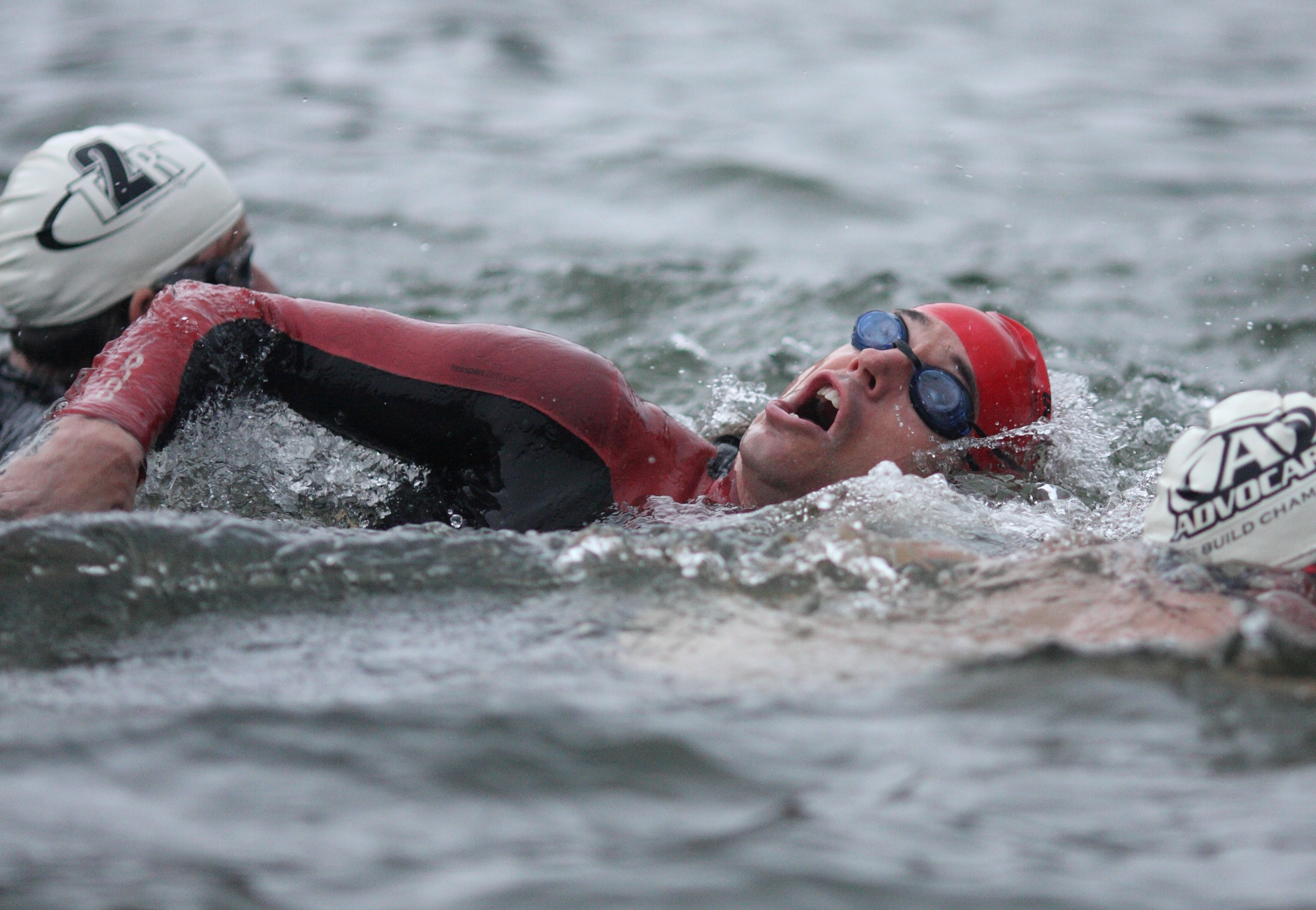
Endurance athletes spend countless hours developing aerobic fitness, muscular endurance, and strength. Yet one of the most overlooked opportunities for improving performance is something that doesn't necessarily require additional training time: better technique.
Whether you're running, cycling, or swimming, the way you move influences how efficiently you use energy and how your body responds to repeated training stress.
Consider how many times a runner's foot contacts the ground during a long workout, or how many pedal revolutions a cyclist completes during a century ride. Small mechanical inefficiencies are repeated thousands of times.
Over time, those inefficiencies can contribute to unnecessary energy expenditure, fatigue, or excessive stress on certain tissues.
However, not every variation in movement is a flaw, and there is no single perfect technique for every athlete. The objective is to identify movement patterns that can be improved based on your individual anatomy, training history, and performance goals.
Improving technique can be one of the most effective ways to become a better endurance athlete without simply training harder.
Here are seven strategies I use to help athletes develop more efficient running, cycling, and swimming mechanics.
1. Seek Qualified Coaching and Individualized Feedback
Before you can improve your technique, you need to understand what you're doing and which aspects of your movement are worth changing.
This is where qualified coaching can make a substantial difference.
An experienced running, cycling, or triathlon coach can observe your movement, identify potential inefficiencies, and provide specific recommendations based on your individual needs.
For example, a running coach may evaluate your posture, stride characteristics, cadence, and arm movement. A cycling coach or professional bike fitter may examine your pedaling mechanics, knee tracking, and position on the bicycle.
The important distinction is that effective coaching should be individualized.
A technique that works well for one athlete may not be appropriate for another.
Books, instructional videos, and online resources can provide valuable information, but they cannot always determine whether a particular adjustment is appropriate for your biomechanics.
Even a single session with a knowledgeable coach can help you identify priorities and develop a plan for improving your movement.
2. Use Video Analysis to Improve Running and Cycling Form
One of the most useful tools for evaluating athletic technique is video feedback.
Video allows you to observe movement patterns that are difficult to recognize while exercising.
You don't need expensive equipment to get started. A smartphone capable of recording slow-motion video can provide useful information.
Video Analysis for Runners
When evaluating running technique, record yourself from the side, front, and rear whenever practical.
Look for characteristics such as:
-
Upper-body posture and excessive movement.
-
Arm swing and shoulder rotation.
-
Stride timing and cadence.
-
Foot placement relative to the body.
-
Differences between the left and right sides.
-
Excessive vertical movement.
These observations can help identify areas worth investigating, but video alone cannot reliably determine injury risk or establish that a particular movement pattern is incorrect.
Video Analysis for Cyclists
Cyclists can use video to evaluate their position and movement on the bike.
Areas to examine include:
-
Pelvic stability in the saddle.
-
Knee tracking during the pedal stroke.
-
Upper-body movement.
-
Saddle position and reach.
-
Pedaling coordination.
-
Changes in posture as fatigue develops.
A stationary trainer provides an excellent controlled environment for recording cycling mechanics.
You can also use a mirror for immediate visual feedback, although repeatedly turning your head to watch yourself can alter your posture.
The goal is to identify a small number of meaningful adjustments rather than criticize every aspect of your movement.
3. Practice Until Proper Technique Becomes Automatic
Learning a new movement pattern requires repetition.
When athletes first attempt to change their running stride, swimming stroke, or pedaling technique, they generally need to concentrate consciously on the movement.
At first, the adjustment may feel awkward or unnatural.
This is a normal part of motor learning.
With appropriate practice and feedback, a new movement pattern can become more consistent and require less conscious attention.
I often explain this process as moving from conscious execution toward automatic performance.
However, repetition alone is not enough.
Practicing an ineffective movement thousands of times doesn't necessarily make it better. It may simply reinforce the existing habit.
Quality of practice matters.
Athletes should periodically reassess their technique and confirm that the intended adjustment is actually occurring.
Be patient. Meaningful changes in movement patterns can take time, and progress is not always linear.
4. Focus on Only One to Three Technique Improvements at a Time
One of the most common mistakes athletes make is trying to correct too many aspects of their technique simultaneously.
A runner might attempt to change cadence, foot placement, posture, arm swing, and stride length during the same workout.
A cyclist might focus on knee tracking, upper-body stability, cadence, and pedaling mechanics all at once.
This creates too many competing demands for attention.
Instead, I recommend focusing on just one to three specific elements during a technique session.
For example, a runner might concentrate on maintaining a relaxed upper body and consistent cadence.
A cyclist might focus on keeping the pelvis stable while maintaining smooth pedaling at a selected cadence.
Once those skills become more consistent, additional adjustments can be introduced.
This approach makes practice more manageable and allows you to evaluate whether the changes are producing the intended result.
5. Learn the Movement Slowly Before Increasing Speed
A useful principle in technique development is to establish control before increasing speed or intensity.
When learning a new movement pattern, begin at a pace that allows you to perform the skill correctly.
Then gradually increase the speed or difficulty while maintaining the desired technique.
For example, a swimmer may practice a particular aspect of stroke timing at an easy pace before incorporating it into faster swimming.
A cyclist may practice maintaining a stable pelvis and smooth pedal stroke at a comfortable cadence before progressing to higher cadences.
Runners can use appropriate drills at controlled speeds before applying the intended movement during normal running.
However, not every athletic movement can be learned effectively in exaggerated slow motion. Running and other dynamic skills depend on timing, momentum, and forces that change with speed.
The objective is to simplify the movement enough to learn it, then progressively practice under realistic conditions.
If technique begins to deteriorate as intensity increases, reduce the difficulty and reestablish control.
6. Emphasize Technique During Aerobic Base Training
The aerobic base period is one of my favorite times to work on technique.
During this phase, athletes generally perform a substantial amount of lower-intensity training while developing endurance and preparing for more demanding workouts later in the season.
Because the intensity is relatively low, athletes have more opportunity to concentrate on movement quality without the additional demands of maximal effort.
This creates an excellent environment for practicing technical skills.
Running Technique During Base Training
Easy runs can provide opportunities to work on relaxed posture, stride rhythm, and coordination.
Short, controlled drills may be included when appropriate, provided they don't create excessive fatigue or disrupt the primary objective of the workout.
Cycling Technique During Base Training
Cyclists can use easy endurance rides or stationary trainer sessions to practice cadence control, upper-body stability, and consistent pedaling mechanics.
Short cadence drills can be useful for improving coordination, although deliberately forcing a particular pedal stroke is not always beneficial.
Swimming Technique During Base Training
Swimming provides particularly good opportunities for focused technique work.
Athletes can practice body alignment, breathing coordination, stroke timing, and maintaining efficient movement through the water.
Continue Technique Work Throughout the Year
Although the base period is especially useful for technical development, technique training shouldn't disappear when race-specific workouts begin.
As intensity increases, athletes must learn to maintain effective movement patterns under fatigue and at competition speeds.
The goal is to carry improved technique into actual performance, not simply demonstrate it during easy workouts.
7. Make Sure Your Equipment Supports Good Technique
Even a technically skilled athlete can struggle when using poorly fitted or inappropriate equipment.
Cycling position, running footwear, and other equipment choices can influence comfort, movement, and the ability to sustain an efficient effort.
Proper Bike Fit Matters
A bicycle that doesn't fit the rider properly can contribute to discomfort, unstable positioning, and unnecessary compensatory movement.
Important considerations include saddle height, saddle fore-aft position, handlebar reach, cleat placement, and the overall relationship between the rider and the bicycle.
For example, a saddle that is excessively high may contribute to pelvic rocking or changes in lower-limb movement.
However, knee tracking and other pedaling characteristics should be evaluated in the context of the rider's individual anatomy rather than judged against a single ideal movement pattern.
A qualified bike fitter can help determine whether equipment adjustments are appropriate.
Choose Running Shoes That Work for You
Running shoes should provide an appropriate combination of comfort, fit, and performance for the individual athlete.
There is no single shoe design that corrects every running technique issue or reliably prevents injury for all runners.
Instead, consider how the shoe feels during running, whether it accommodates your foot shape, and how you respond to its cushioning and geometry.
Equipment should support effective movement rather than force the athlete into an uncomfortable position.
Can Better Technique Prevent Overuse Injuries?
Improving technique may help some athletes reduce excessive loading on particular tissues, especially when a movement pattern contributes to recurring discomfort.
However, overuse injuries are rarely caused by technique alone.
Training volume, intensity, recovery, previous injuries, tissue capacity, and individual anatomy all play important roles.
For this reason, changing technique should not be viewed as a guarantee against injury.
An athlete with persistent pain should seek an appropriate clinical assessment rather than assume that a simple adjustment to running form or cycling position will solve the problem.
The most effective approach combines sound technique, appropriate equipment, progressive training, and sufficient recovery.
Why Technique Can Be a Source of Free Speed
I often refer to improvements in technique as a form of "free speed."
The idea is straightforward: if you can reduce unnecessary movement or improve how effectively you apply force, you may be able to produce better performance without increasing your physiological effort.
For a runner, improved movement efficiency may help reduce the energy required to sustain a particular pace.
For a cyclist, a more stable and comfortable position may improve the ability to maintain power over longer distances.
For a swimmer, improved body position and stroke mechanics can reduce unnecessary drag and make forward propulsion more effective.
Not every technique adjustment will produce a measurable performance improvement. Some changes may initially make an athlete less economical while the new movement is being learned.
That's why feedback, individual assessment, and patience are essential.
Who Benefits Most From Technique Training?
While professional athletes spend considerable time refining their technique, amateur and recreational endurance athletes may have the greatest opportunities for improvement.
Elite athletes often have years of technical instruction, movement analysis, and sport-specific training behind them. Although they continue to refine their skills, their movement patterns may already be highly developed.
Amateur athletes, on the other hand, frequently develop their running stride, cycling mechanics, or swimming stroke with little formal instruction. Over time, inefficient movement patterns can become deeply ingrained through thousands of repetitions.
The result is that athletes may continue increasing training volume and intensity without addressing mechanical limitations that could be affecting their performance.
Beginner Athletes
Beginners can benefit substantially from learning sound movement fundamentals before establishing long-term habits.
Developing appropriate technique early may make subsequent training more effective and help athletes avoid unnecessary compensatory movements.
For new swimmers, technical instruction can be particularly valuable because body position, breathing coordination, and stroke mechanics have a major influence on efficiency.
Recreational and Age-Group Athletes
Recreational athletes often have limited training time. For these individuals, improving movement efficiency may provide a valuable opportunity to improve performance without adding more hours to an already demanding schedule.
A cyclist who improves comfort and stability on the bike may be better able to sustain power during longer rides.
A runner who makes an appropriate adjustment to stride mechanics may improve running economy or reduce excessive loading on certain tissues.
These improvements are individual and should be evaluated rather than assumed.
Experienced Athletes Who Have Reached a Performance Plateau
Athletes who have trained consistently for years sometimes reach a point where additional mileage or intensity produces diminishing returns.
At this stage, evaluating technique can reveal opportunities that have been overlooked.
For example, an experienced cyclist may have excellent cardiovascular fitness but struggle to maintain an efficient aerodynamic position.
A strong swimmer may lose speed because of excessive drag or ineffective stroke timing rather than insufficient conditioning.
Addressing these limitations can sometimes be more productive than simply increasing training stress.
Masters Athletes
Masters athletes can also benefit from periodic technique assessments, particularly as strength, mobility, injury history, and physical capabilities change with age.
Adjustments to bike fit, running mechanics, or swimming technique may help maintain comfort and performance.
However, technique changes should be individualized. There is no single movement pattern that is ideal for every older athlete.
The Greatest Opportunity Is Often With the Amateur Athlete
In my coaching experience, athletes who have never received individualized technical instruction often have the most obvious opportunities for improvement.
This doesn't mean that every athlete needs to completely rebuild their running stride, pedaling technique, or swimming stroke.
Frequently, a few carefully selected adjustments are all that is necessary.
The objective is not to make every athlete move like a professional. It is to help each athlete move more efficiently with the physical abilities they already possess.
For many amateur endurance athletes, that makes technique training one of the most valuable investments they can make in their performance.
Final Thoughts: Train Smarter, Not Just Harder
Endurance performance is determined by more than cardiovascular fitness and muscular strength.
How effectively you move can influence your ability to translate that fitness into speed, power, and sustainable performance.
Qualified instruction, video feedback, focused practice, and properly fitted equipment can all contribute to better technique.
Begin with a small number of specific improvements, practice them consistently, and gradually apply them at higher training intensities.
Most importantly, recognize that effective technique is individual. The objective isn't to make every athlete move identically, but to help each athlete perform as efficiently and comfortably as possible.
Before adding more training volume or intensity, consider whether you can get more performance from the fitness you already have.
Sometimes the greatest improvement comes not from working harder, but from moving better.
See Also..