

Determining The Correct SRAM Offset Chainring: 0mm, 3mm, 6mm
Determining The Correct SRAM Offset Chainring: 0mm, 3mm, 6mm
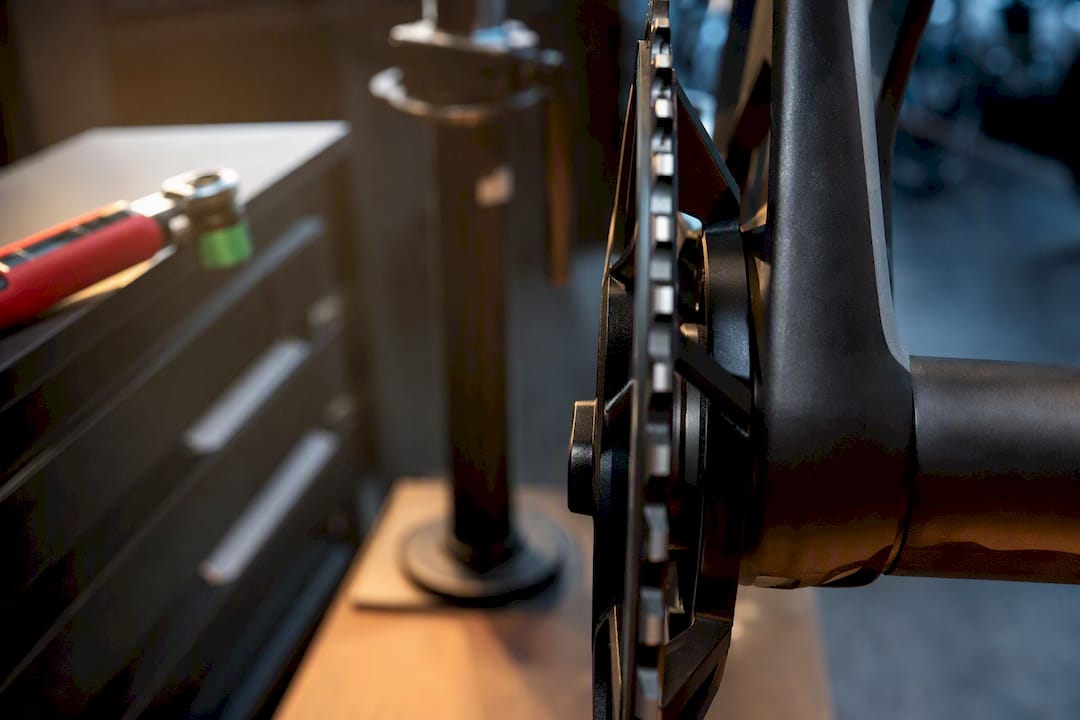
Most riders running SRAM Transmission with a chainline designed for approximately 55mm should choose a 0mm offset chainring, while DUB Eagle setups with a chainline near 52mm typically need a 3mm offset, and older non-Boost or fatbike cranks usually call for a 6mm offset. The right choice always traces back to your target chainline, not a guess. Before you buy anything, confirm your crank’s direct-mount standard and measure your current chainline so the new ring lands where it should.
TL;DR:
- Choosing the correct offset depends on your target chainline, with SRAM Transmission systems typically requiring a 0mm offset for a 55mm chainline and DUB Eagle needing 3mm for a 52mm chainline.
- Accurate measurement of your current chainline from the frame center to the chainring teeth is essential before selecting an offset, as minor deviations can cause shifting issues and chain wear.
- Additional spacers and longer bolts may be necessary when installing offset chainrings, especially for stacking or fitting non-standard bolt patterns, to ensure proper hardware engagement and torque.
- Compatibility varies with crank standards and rear spacing, so verify your crank’s mounting style and chainline measurement rather than relying solely on specifications.
- For measurements close to target, matching the offset to the chainline number is straightforward; otherwise, double-check measurements to avoid drivetrain wear or shifting problems.
Table of Contents
- What Offset Chainring Really Means (and How It Relates to Chainline)
- How to Determine Your Current Chainring Offset and Chainline
- SRAM Offset Compatibility: 0mm, 3mm, or 6mm?
- Installing an Offset Chainring: Spacers, Bolts, and Common Mistakes
- What We Check Before Recommending an Offset Chainring
- The Quick Rule of Thumb for Choosing Offset
- Get the Right Offset Chainring Without the Guesswork
- Sources
- FAQ
What Offset Chainring Really Means (and How It Relates to Chainline)
Offset describes how far a chainring’s teeth sit from the mounting spider, measured in millimeters, either toward the frame or away from it. Chainline describes something different but connected: the straight-line distance from the bike’s centerline to the center of the chainring. Change one and you change the other, because the chainring is bolted directly to the spider on most modern direct-mount cranks.
Here’s a concrete way to picture it: a 0mm offset chainring sits flush with the spider’s mounting face. A 3mm offset moves the ring 3mm outboard, away from the frame. A 6mm offset pushes it out even further. On a crank with a typical chainline near 49mm, swapping in a 3mm offset ring effectively shifts the chainline toward 52mm. That 3mm might sound trivial, but it changes how the chain tracks across your cassette.
Chainline tolerance matters more than most riders assume. Get it wrong by a few millimeters and you’ll notice it in specific, annoying ways:
- Louder chain slap and increased chain wear from running at an angle across the cassette
- Reduced chain retention, especially on rough descents where the chain wants to bounce off the ring
- Sluggish or inconsistent shifts because the derailleur’s cage angle no longer matches the chain’s real-world path
An offset chainring is one of the simplest, cheapest ways to correct a chainline problem without swapping the entire crankset.
How to Determine Your Current Chainring Offset and Chainline
You don’t need a bike shop’s full tool wall to figure out what you’re working with. A few basic measurements will tell you almost everything.
- Identify your crank model and mounting standard. Check whether it’s a 3-bolt or 8-bolt direct-mount interface, and look for a DUB stamp on the spindle, since SRAM’s newer cranks use consistent markings that narrow down your options fast.
- Measure bottom bracket center to chainring tooth center. Use a straightedge across the BB shell and a caliper (a ruler works in a pinch) to measure from the frame’s centerline out to the middle of the chainring teeth. This number is your actual chainline.
- Compare that measurement to your drivetrain’s target chainline. SRAM Transmission systems are built around 55mm; DUB Eagle cranks commonly run 52mm stock. If your measured number is a few millimeters off, an offset swap closes the gap.
- Cross-reference the manufacturer’s product page. Read the fine print on the listing, since some brands print the offset directly in the product name while others bury it in the specifications tab.
Pro Tip: Write your measured chainline on a piece of tape stuck to your seat tube before you start swapping parts. It’s easy to forget the number mid-project, and re-measuring a half-disassembled bike is nobody’s idea of fun.
SRAM Offset Compatibility: 0mm, 3mm, or 6mm?
- Transmission cranks targeting a 55mm chainline generally pair with a 0mm offset chainring. SRAM designed Transmission around this chainline specifically to optimize shifting under load, so there’s usually no correction needed.
- DUB Eagle cranks running a stock 52mm chainline typically call for a 3mm offset. Wolf Tooth’s compatibility documentation lists this pairing directly, and it’s one of the most common swaps mountain bikers make when fine-tuning chainline on Eagle-equipped bikes.
- Non-Boost frames, older GXP or BB30 cranks, and many fatbikes usually need a 6mm offset to hit a roughly 49mm chainline. Aftermarket direct-mount chainrings built for these older spindle standards are still widely sold, since plenty of bikes on the trail predate Boost spacing entirely.
Special cases deserve a closer look. Super Boost 157 rear ends push the chainline wider still, and DUB DH cranks paired with SRAM’s Ochain R spider damper sometimes need a 56.5mm chainline, achieved with the Ochain R’s built in 3mm offset plus additional spacers. If your crank uses an 8-bolt direct-mount interface instead of the more common 3-bolt pattern, double check that the chainring you’re eyeing is actually machined for that bolt pattern, because the two aren’t interchangeable.
Installing an Offset Chainring: Spacers, Bolts, and Common Mistakes
Swapping the ring itself is usually the easy part. Getting the hardware right is where installs go sideways.
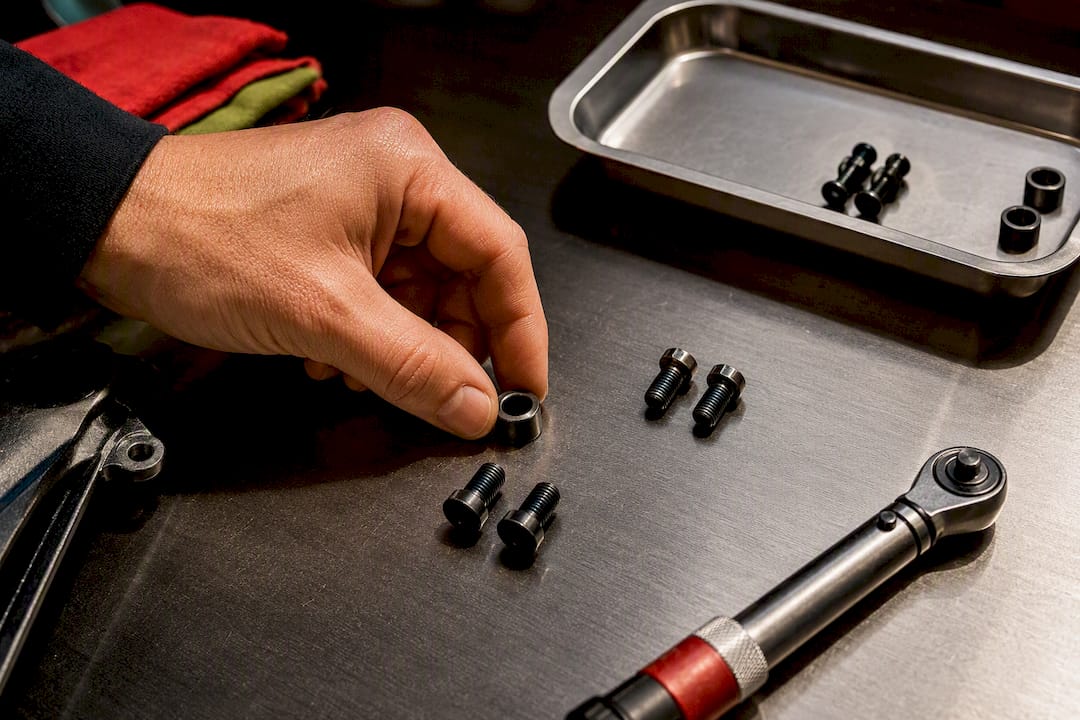
- 3mm spacers come into play when you’re stacking offset changes, like adding a 3mm spacer behind a chainring that already carries some built-in offset, to reach a specific target chainline such as the 56.5mm DH setup SRAM outlines for Ochain R.
- Longer bolts are often necessary once you introduce spacers, since the stock bolt length was measured for the stock stack height. Running bolts that are too short risks thread engagement failure, which is a genuinely bad thing to discover mid-ride.
- Torque specs still apply. Follow the general torque range printed on your crank or chainring packaging rather than guessing, since overtightening chainring bolts on a lightweight aluminum spider can strip threads.
Watch for oval chainring fit differences too. Not every offset chainring is available in an oval profile, and swapping from round to oval sometimes shifts the effective chainline slightly on top of whatever offset change you’re making. Q-factor can drift as a side effect of chainline corrections as well, something worth noting if your knees are sensitive to stance width changes.
Pro Tip: Keep the stock bolts in a labeled bag even after you upgrade to a longer set. If a spacer setup doesn’t work out, you’ll want the originals on hand instead of guessing at hardware store thread pitches.
What We Check Before Recommending an Offset Chainring
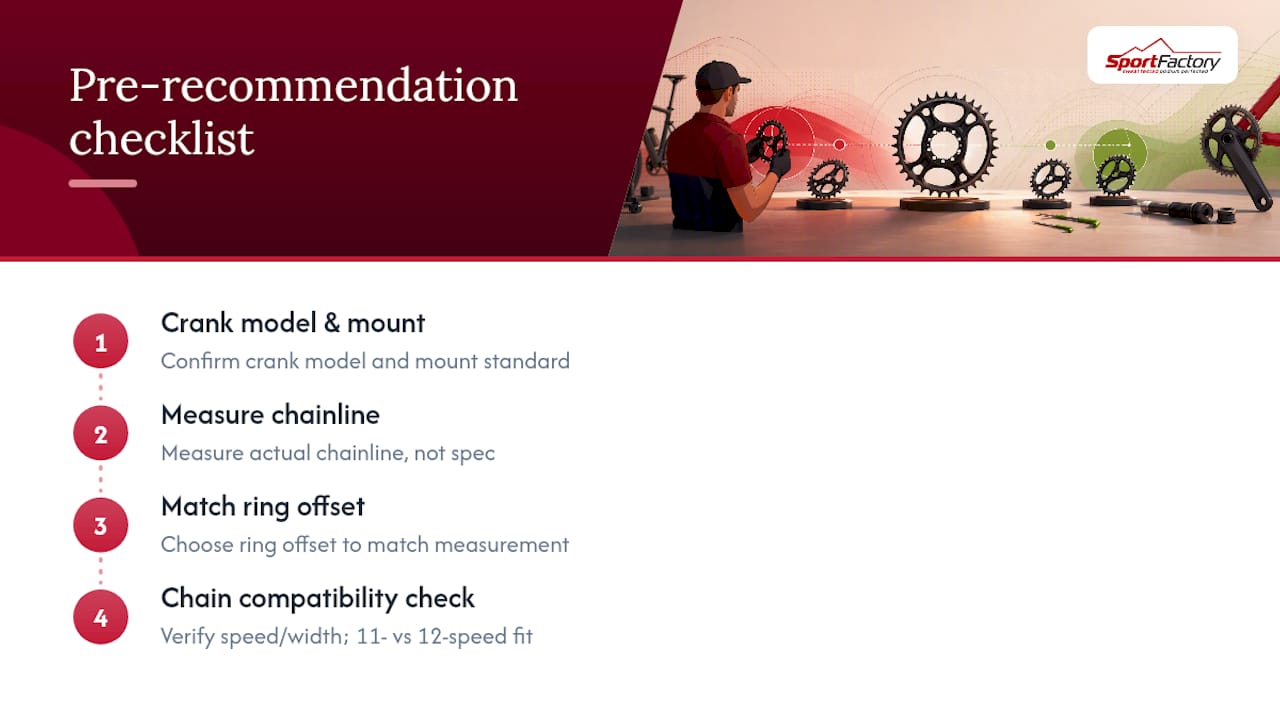
Before pointing a customer toward a specific offset, we run through the same short list every time: confirm the crank model and mounting standard, measure the actual chainline rather than trusting a spec sheet from memory, match the offset to that measurement, and verify chain compatibility across drivetrain speed and chain width. Skipping that last step is a common mistake, since a 12-speed chain and an 11-speed chain don’t always play well with the same ring tooth profile.
DIY installation is reasonable for most riders comfortable with a torque wrench and basic crank service. Where we’d suggest a shop instead: tight bolt-thread engagement on 8-bolt interfaces, Super Boost or DH-specific spacer stacks, or any setup where the chainline measurement comes out ambiguous rather than a clean number.
The Quick Rule of Thumb for Choosing Offset
If your chainline measurement lands within a millimeter of spec, don’t overthink it: match the offset to the number and move on. The real trade-off shows up in edge cases, where a slightly wrong offset causes gradual drivetrain wear rather than an obvious failure. When the measurement doesn’t come out clean, get a second set of eyes on it before you order parts.
— Matt
Get the Right Offset Chainring Without the Guesswork
We stock SRAM-compatible direct-mount chainrings across 0mm, 3mm, and 6mm offsets, along with the spacer kits and bolt hardware designed to support a variety of DUB, Transmission, and older non-Boost installations.

If you’re unsure which offset your crank actually needs, it can help to walk through the chainline measurement before committing to a purchase, and if you’re dialing in cockpit fit at the same time, this MIPS helmet adjustment guide covers the kind of setup precision that carries over well to drivetrain work. Browse compatible chainrings and hardware kits on the Sport Factory Pro Shop landing page and get your fit checked before you install.
Sources
FAQ
Is a 3mm Offset Chainring Meant for Boost Spacing?
Not specifically. A 3mm offset commonly pairs with DUB Eagle cranks targeting a 52mm chainline, which often run on Boost frames, but the offset itself is chosen based on chainline, not frame spacing alone.
What’s the Difference Between a 0mm and a 3mm Offset Chainring?
A 0mm offset keeps the chainring flush with the spider face, typically matching SRAM Transmission’s 55mm chainline, while a 3mm offset pushes the ring 3mm outboard to reach a 52mm chainline on DUB Eagle cranks.
How Do I Know the Offset of My Chainring?
Measure from the bottom bracket centerline to the center of the chainring teeth using a straightedge and caliper, then compare that number to your drivetrain’s target chainline, following the method SRAM outlines.
What Chainring Offset Should I Use for Non-Boost Frames?
Non-Boost frames and older GXP or BB30 cranks typically need a 6mm offset chainring to reach the roughly 49mm chainline those setups were designed around.