

“What Is a Bicycle E-Flator? Benefits, Uses, and Buying Guide”
Posted by Matt Russ on 5th May 2026
Bicycle e-flators—also known as electric tire inflators—have quickly become one of the most practical upgrades for cyclists who value speed, convenience, and reliability on the road or trail. Whether you’re a competitive rider, commuter, or weekend enthusiast, understanding how and when to use an e-flator can significantly improve your riding experience.
What Is a Bicycle E-Flator?
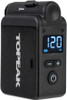
A bicycle e-flator is a compact, battery-powered device designed to inflate tires without the need for manual pumping or CO₂ cartridges. Unlike traditional hand pumps, e-flators deliver consistent pressure at the push of a button, making them especially useful during mid-ride flat repairs or pre-ride setup.
Most modern e-flators are small enough to fit in a saddle bag or jersey pocket, and many include digital pressure displays, automatic shutoff, and compatibility with both Presta and Schrader valves.
Benefits of Using an E-Flator
One of the biggest advantages of a bicycle e-flator is convenience. Instead of spending several minutes manually pumping a tire—often inconsistently—you can achieve precise pressure in seconds. This is particularly valuable for road cyclists, where tire pressure plays a critical role in rolling resistance and performance.
E-flators also eliminate the need for disposable CO₂ cartridges. While CO₂ systems are fast, they can be wasteful and unreliable if misused. An e-flator provides a reusable, controlled alternative that reduces long-term cost and environmental impact.
Another key benefit is accuracy. Many e-flators allow you to set a target PSI, ensuring optimal tire pressure every time. This helps riders dial in performance for different conditions, whether that’s lower pressure for gravel or higher pressure for smooth pavement.
When to Use a Bicycle E-Flator
E-flators are ideal in several cycling scenarios:
- Mid-ride flat repairs: Quickly reinflate your tire after fixing a puncture without exhausting yourself.
- Pre-ride setup: Achieve consistent pressure before heading out, especially important for racing or structured training.
- Travel and events: Avoid relying on shared pumps or questionable air stations at races and group rides.
However, it’s worth noting that most e-flators have limited battery capacity. They are best used for topping off or inflating one to two tires rather than repeated high-volume use. They also generate a considerable amount of heat, to the point that some brands include a sleeve for safe handling. I discovered just how much heat builds up the hard way by melting the plastic valve stem on my expensive TPU tube.
E-Flator vs. CO₂ vs. Hand Pump
Each inflation method has its place, but e-flators strike a strong balance:
- Hand pumps: Reliable and unlimited use, but slower and physically demanding.
- CO₂ inflators: Extremely fast, but single-use and less precise.
- E-flators: Fast, reusable, and accurate, though dependent on battery life.
For many cyclists, an e-flator replaces CO₂ as the go-to on-bike inflation tool, while a floor pump remains essential for home use.
Key Features to Look For
When choosing a bicycle e-flator, consider the following:
- Maximum PSI: Ensure it meets the needs of your discipline (road tires often require 80–100+ PSI).
- Battery life: Look for models that can handle multiple inflations per charge.
- Size and weight: Portability is critical if you plan to carry it on rides.
- Valve compatibility: Dual support for Presta and Schrader valves is essential.
- Digital controls: Preset pressure and auto-stop features improve usability.
Are Bicycle E-Flators Worth It?
For many riders, the answer is yes. The combination of speed, ease of use, and precision makes e-flators a valuable addition to any cycling kit. While they may not fully replace traditional tools in every scenario, they offer a modern solution that aligns with the growing trend of tech-enabled cycling gear.
Final Thoughts
Bicycle e-flators are more than just a convenience—they represent a shift toward smarter, more efficient cycling equipment. By allowing riders to maintain optimal tire pressure with minimal effort, they enhance both performance and peace of mind.
If you’re looking to simplify flat repairs and improve consistency in your tire setup, an e-flator is well worth considering.