

The Frugal Triathlete: How to Save Money on Triathlon Gear Without Sacrificing Performance
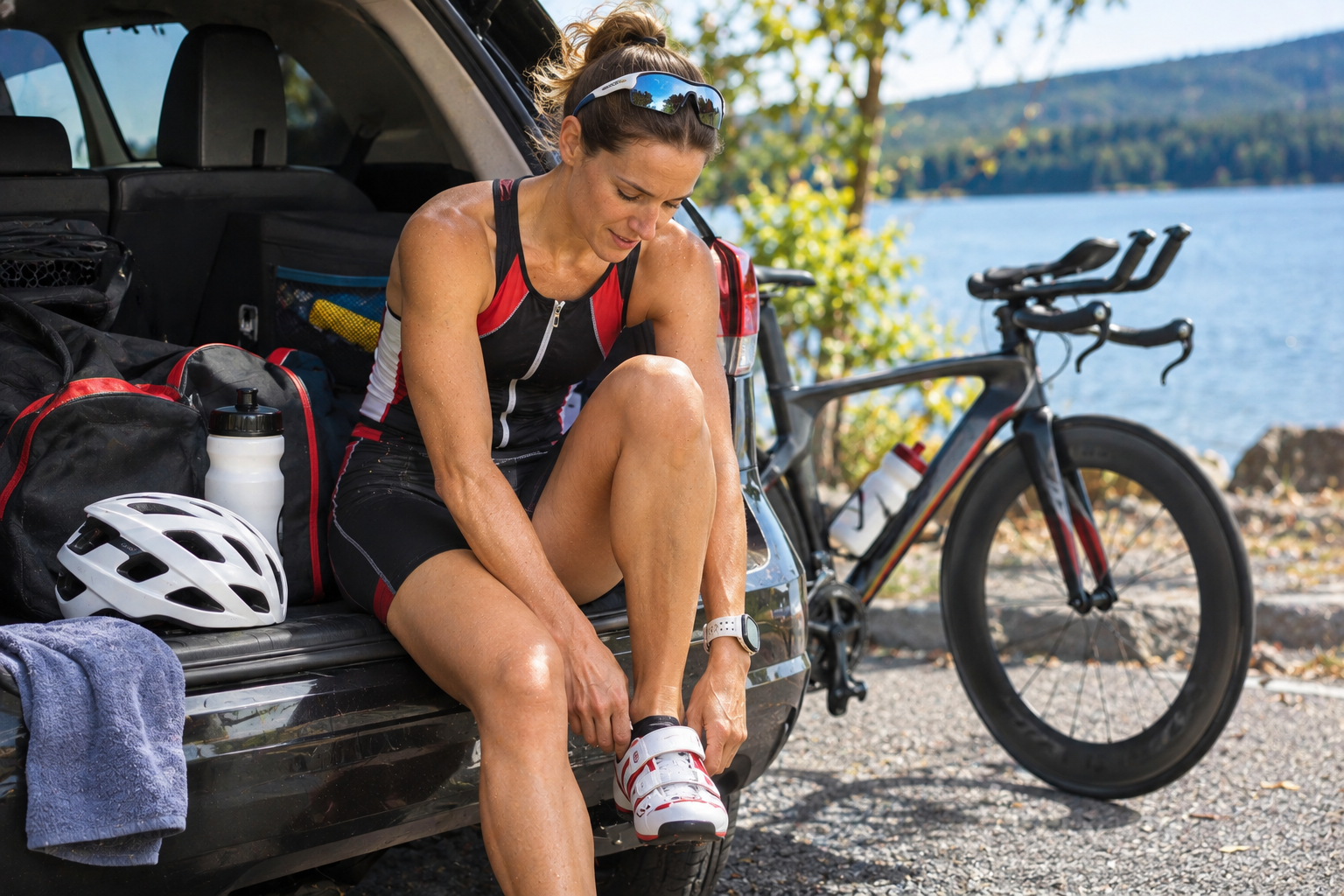
Triathlon can be an expensive sport. Between bicycles, wetsuits, running shoes, training technology, race entries, and travel expenses, the cost of participating can quickly become substantial. It's no surprise that athletes frequently ask me where they should invest their money to get the greatest improvement in performance.
Although the answer depends on the individual athlete, some purchases provide considerably more value than others. One thing I've learned over many years of coaching is that an unlimited equipment budget doesn't automatically translate into faster race times. An athlete with modest equipment, excellent preparation, and a well-executed race strategy can easily outperform someone riding the most expensive bicycle on the course.
The key is understanding which investments actually improve performance and which simply make your equipment collection more impressive.
Spend Money on Performance, Not Marketing
Equipment manufacturers invest heavily in convincing athletes that the latest aerodynamic components, carbon fiber accessories, and high-tech innovations are essential for competitive success. Some of these products offer measurable benefits, but the performance improvements may be small relative to their cost.
Consider aerobars, for example. An expensive set of carbon fiber extensions may offer a modest aerodynamic advantage, but the position of the rider generally has a much greater influence on overall aerodynamic drag. The cyclist's body accounts for most of the aerodynamic resistance encountered at typical racing speeds.
A properly performed bicycle fitting can often provide more practical value than an expensive component upgrade. Improving your position may reduce drag, increase comfort, and help you maintain an efficient posture throughout the cycling leg. However, simply lowering your torso isn't always better. The position must also allow you to produce power, breathe comfortably, and handle the bicycle safely.
Before spending hundreds or thousands of dollars on equipment, ask yourself whether you've already optimized the equipment you own.
Prioritize Equipment That Makes a Meaningful Difference
Not all upgrades deliver equal value. When considering a purchase, evaluate the potential improvement in performance, comfort, reliability, and safety rather than focusing exclusively on weight or price.
For cyclists, good tires with appropriate rolling resistance, correct tire pressure, a clean and well-maintained drivetrain, and a comfortable aerodynamic position can offer meaningful benefits without requiring an entirely new bicycle.
Wheels can also influence performance, particularly through aerodynamics, but the value of an upgrade depends on the course, riding speed, existing equipment, and cost. A lighter crankset or saddle may save weight, but a difference of a few hundred grams generally has a relatively small effect on overall race performance, especially on flatter courses.
Rotating weight isn't automatically more valuable than an equivalent reduction in nonrotating weight during steady-speed riding. Rather than assuming a particular component is faster because it is lighter or rotates, consider its actual effect on aerodynamics, rolling resistance, efficiency, and durability.
For runners, properly fitting shoes that suit their biomechanics and training needs are generally a more sensible priority than purchasing the most expensive model available. For swimmers, a comfortable, appropriately fitting wetsuit may provide greater practical value than a premium model that restricts shoulder movement or fits poorly.
The most valuable equipment is often the equipment that allows you to train consistently, race comfortably, and avoid preventable mechanical problems.
Training Technology Is Only Valuable If You Use It
Heart rate monitors, GPS watches, cycling power meters, and other training devices can provide tremendous amounts of information. However, purchasing technology doesn't automatically make an athlete faster.
From a coaching perspective, I'm a strong believer in collecting useful training data. Power, heart rate, pace, and other measurements can improve communication between an athlete and coach while helping identify training responses, pacing problems, and changes in performance.
The important distinction is that these devices provide information, not fitness. A power meter can help you pace the cycling leg more accurately, but it won't prevent you from riding too hard unless you understand how to interpret and apply the numbers.
Likewise, an expensive multisport watch may offer dozens of performance metrics, but those measurements are of little value if you never review them or use them to guide your training.
Before purchasing a new device, determine exactly what problem it will help you solve. If a basic GPS watch already provides everything you need, upgrading to a more complicated model may accomplish very little.
And if you're still struggling to operate your toaster, a sophisticated power meter probably shouldn't be your next major investment.
Buying Used Triathlon Equipment: Save Money Without Taking Unnecessary Risks
The secondhand market can provide excellent opportunities to save money. Online marketplaces, local cycling groups, and reputable bicycle retailers frequently offer used equipment at prices substantially below those of comparable new products.
However, buying used equipment requires careful evaluation. A bargain is only worthwhile if the product fits correctly, functions properly, and is safe to use.
I generally encourage athletes to inspect expensive used bicycles in person and, whenever possible, have a qualified mechanic evaluate them before purchasing. Carbon frames and components deserve particular attention because some damage may not be obvious during a casual inspection.
I've had athletes arrive for bicycle fittings with used bikes that were the wrong size or had serious mechanical problems. What initially appeared to be a great deal became an expensive mistake once repairs or replacement components were required.
Used wetsuits can also present challenges. Fit is extremely important, and older suits may have damaged seams, deteriorating neoprene, or reduced flexibility. Whenever possible, try the wetsuit on and carefully inspect its condition.
Exercise additional caution with safety-critical products such as helmets. A used helmet may have sustained an impact or been stored improperly without showing obvious external damage. For this reason, I recommend purchasing a new helmet from a reputable retailer.
Before buying secondhand equipment, consider the availability of warranties, replacement parts, service support, and returns. New equipment may cost more initially, but the added protection and assistance can sometimes justify the difference.
Invest in Training and Proper Equipment Fit
Athletes often overlook one of the most effective ways to improve performance without purchasing more equipment: making better use of the time they already spend training.
A well-structured training program can help eliminate unnecessary workouts, improve recovery, and ensure that training addresses the specific demands of an athlete's goal events.
Professional coaching isn't necessary for every athlete, but experienced guidance can be a worthwhile investment when it helps identify weaknesses, improve training efficiency, or prevent repeated mistakes.
The same applies to bicycle fitting, swimming technique instruction, and other targeted services. A relatively modest investment in addressing a genuine limitation may provide more practical benefit than an expensive equipment upgrade.
The goal should always be to identify your greatest performance limiter and determine the most cost-effective way to address it.
The Bottom Line: You Can't Buy Fitness
Triathlon equipment can improve comfort, efficiency, and performance, but no purchase can replace consistent training, appropriate recovery, and intelligent race execution.
Before buying your next upgrade, consider whether it addresses a real limitation or simply offers the appeal of something new. Maintain the equipment you already own, learn to use your training technology effectively, and be selective when purchasing used products.
Most importantly, remember that the most expensive athlete on the starting line isn't necessarily the best-prepared athlete.
Spend your money where it matters, invest your time where it counts, and let your training—not your equipment budget—determine your potential.
Coach Matt Russ enjoyed a professional coaching career spanning over two decades of working with professional endurance athletes. His athletes have achieved numerous regional, national, international and championship titles under his direction. Matt achieved the highest level of licensing by both USA Triathlon and USA Cycling, and was a licensed USA Track and Field Coach as well as a SICI Certified Bike Fitter. His accomplishments include being named "Team USA" Coach for the Beijing World Championship. Head Coach and founder of The Sport Factory, a USA Triathlon Certified Performance Center, he has authored many articles on a wide variety of endurance related topics.